
When selecting a cut-to-length line, ensuring the equipment efficiently meets project requirements and achieves production automation necessitates a comprehensive evaluation of five key factors: raw material parameters, finished product specifications and output requirements, equipment configuration, site conditions and installation constraints, and operation, maintenance, and compliance.
A precisely matched cut to length machine not only enables fully automated production but also yields finished sheets that meet exact precision standards, thereby eliminating the need for costly secondary processing.
As a leading global manufacturer and supplier of cut-to-length lines, KINGREAL has compiled this detailed purchasing guide based on years of manufacturing experience and successful project deliveries.
1. Raw Material Parameters
-Material Type: Materials processed include cold-rolled steel (CR), hot-rolled steel (HR), galvanized steel (GI), tinplate, aluminum, and stainless steel.
Significant differences in yield strength across materials directly influence calculations for shearing force, the rigidity of the cutter housing, and pressure settings for leveling rolls.
For instance, processing stainless steel requires special rubber coating on leveling rolls to protect the surface, whereas processing high-strength steel necessitates a shearing unit with higher tonnage capacity.
-Coil Thickness Range: This is a key indicator for distinguishing between cut-to-length line models. Shearing capacity should not consistently operate at the theoretical limit; it is generally recommended to maintain a 10–20% performance margin.
KINGREAL categorizes cut to length machines based on thickness ranges: thin-gauge (0.3–3 mm), medium-gauge (3–6 mm), and heavy-gauge (6–25 mm).
-Coil Width: The maximum width of the incoming coil determines the effective span of the machine frame, the roll body length of the leveler, and the length of the shear blades.
Coil Weight and Dimensions: Maximum coil weight dictates the load-bearing structure of the decoiler, while the inner diameter (ID) and outer diameter (OD) determine the specifications of the decoiler's expansion mandrel and the travel range of the loading car.
-Yield Strength: For high-strength materials, the machine frame must be reinforced and the shear motor torque increased; otherwise, excessive burrs on the cut edge or even a failure to cut through may occur.
2. Finished Product Specifications and Output Requirements
-Cut-to-Length Range and Precision Metrics: Minimum and maximum cutting lengths must be defined. Precision metrics primarily include length tolerance, diagonal tolerance, and sheet flatness. Industries such as high-end home appliances and precision electronics impose extremely strict requirements regarding burr height and surface scratches.
-Shearing Method Selection:
Start-Stop Shear: The coil stops once the preset length is reached; the shear operates, and then the cut-to-length line restarts. This method features a simple structure and is suitable for low-to-medium speed production.
Flying Shear: The shear mechanism dynamically tracks the coil speed while in motion, enabling continuous feeding and cutting. It offers extremely high production efficiency and is suitable for large-scale manufacturing.
Swing Shear: The cutting angle is adjustable, allowing for the production of non-rectangular sheets such as trapezoids and parallelograms; this type is widely used in the automotive manufacturing industry.
-Operating Speed: KINGREAL high-speed fly shearing cut to length machines can reach a maximum operating speed of 80 m/min. For smaller-scale processors, KINGREAL also offers cut-to-length line solutions with speeds of 15 m/min or 20 m/min.
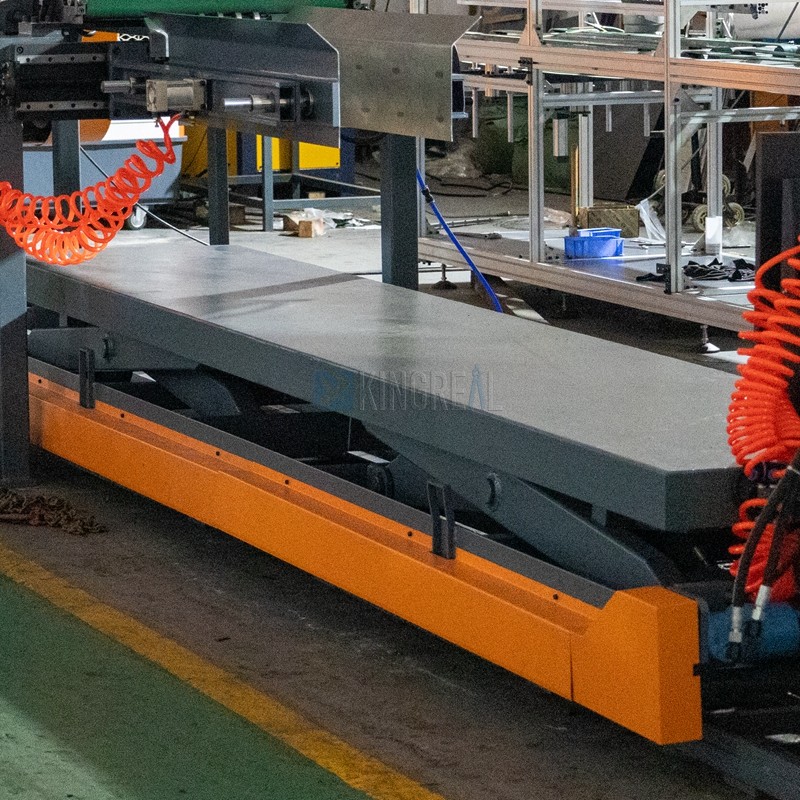
-Automated Stacking: To match high-speed production, a double-stacker system can be employed; this automatically switches to the second stacker once the first is full, eliminating the need for downtime. Configuration options include gantry-style stackers (with pneumatic drop mechanisms) or open-style stackers.
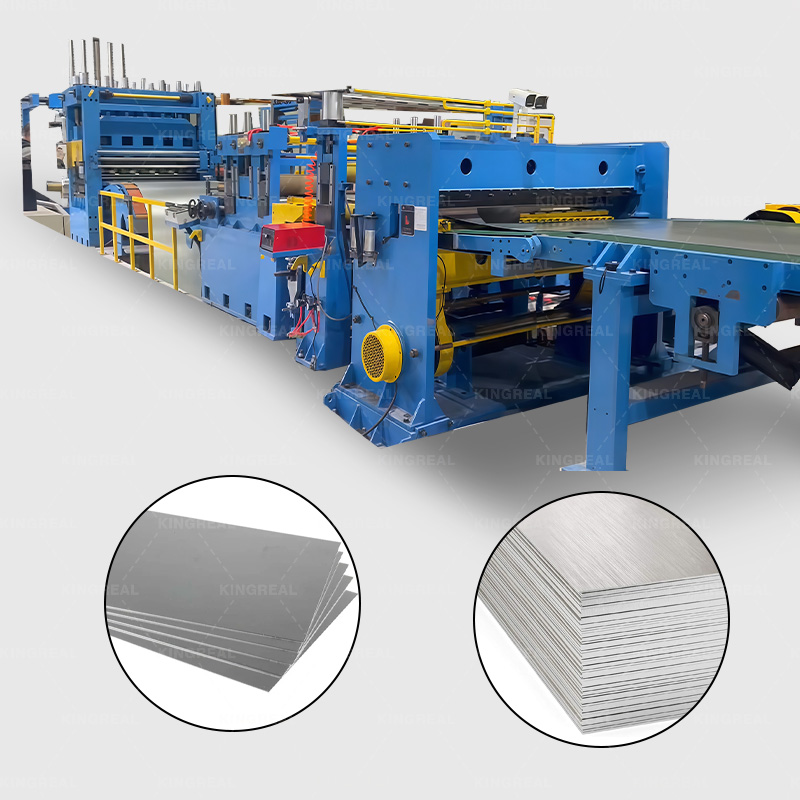
start-stop shear cut to length line
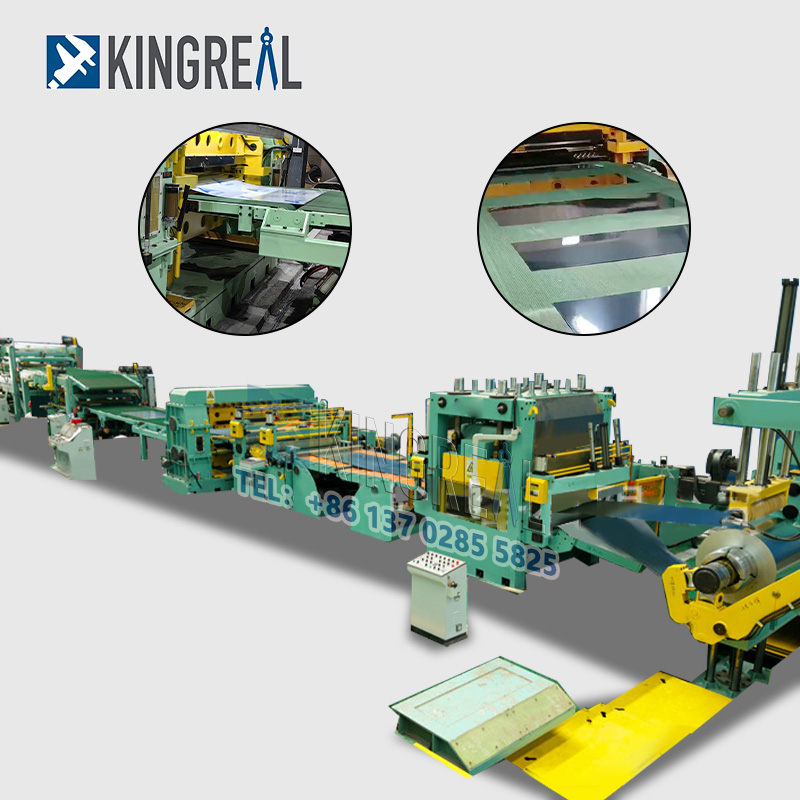
fly shearing cut to length line
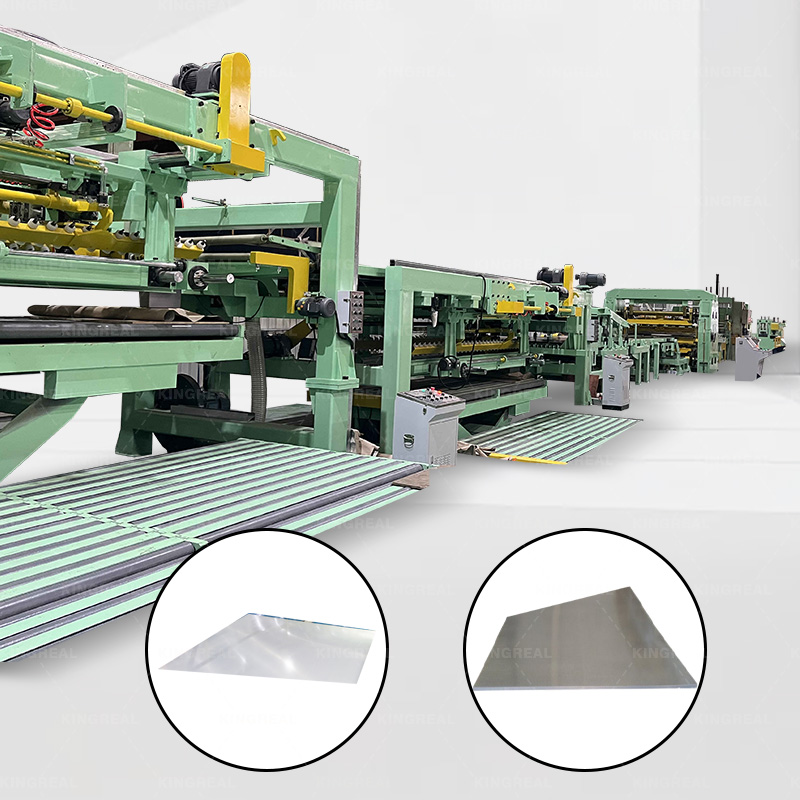
swing shearing cut to length line
3. Equipment Configuration Selection
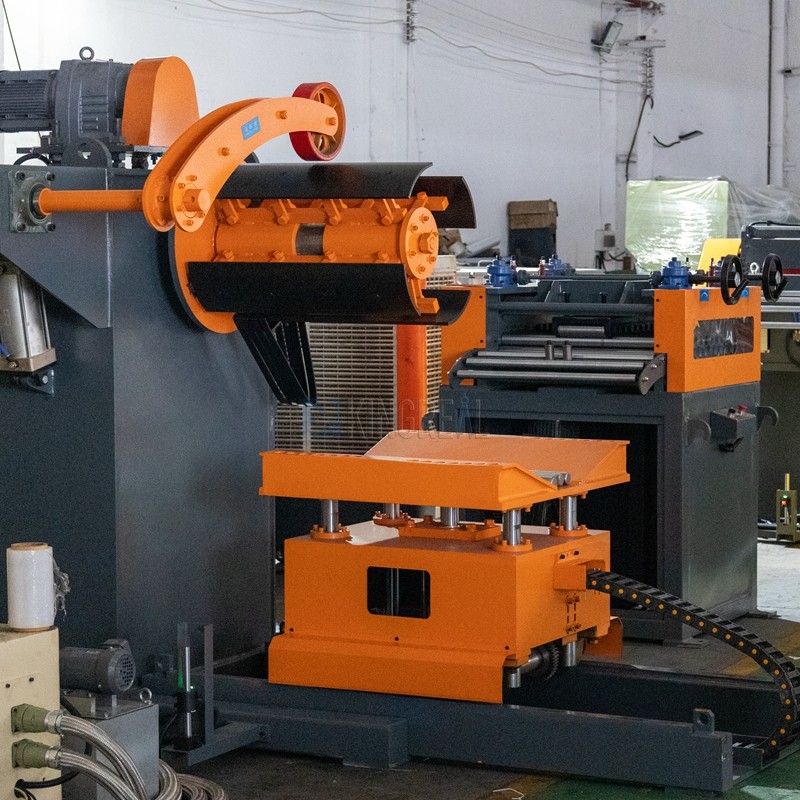
-Uncoiling Unit: Single-head or double-head decoilers are available to minimize coil changeover time. For heavy coils, hydraulic uncoiling drives and hydraulic hold-down arms are recommended to prevent accidents caused by coil loosening.
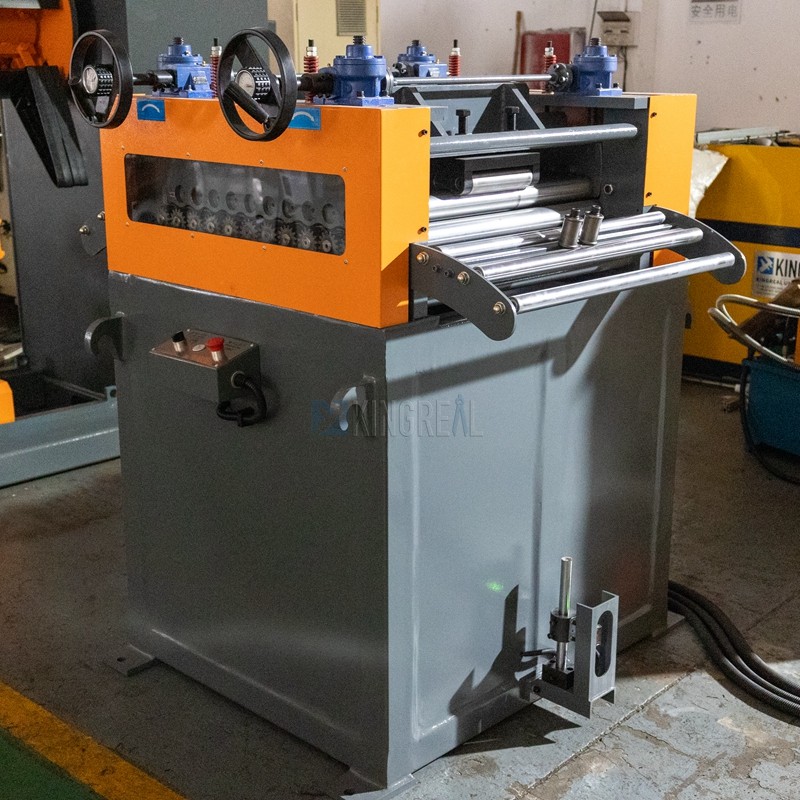
-Leveler: This is the core component of the cut to length machine. Configuration specifications include the number of rollers, roller diameter, and roller material. KINGREAL offers 4-Hi and 6-Hi levelers. For industries requiring exceptional flatness, KINGREAL can configure a dual-leveler setup for a continuous two-stage process, effectively eliminating internal material stress.
-Servo Feeding System: Uses a servo motor to drive the feed rolls, utilizing an encoder or linear scale to establish a closed-loop position feedback system. For thick plates, measures must be taken to prevent feed roll slippage and ensure cutting length accuracy.
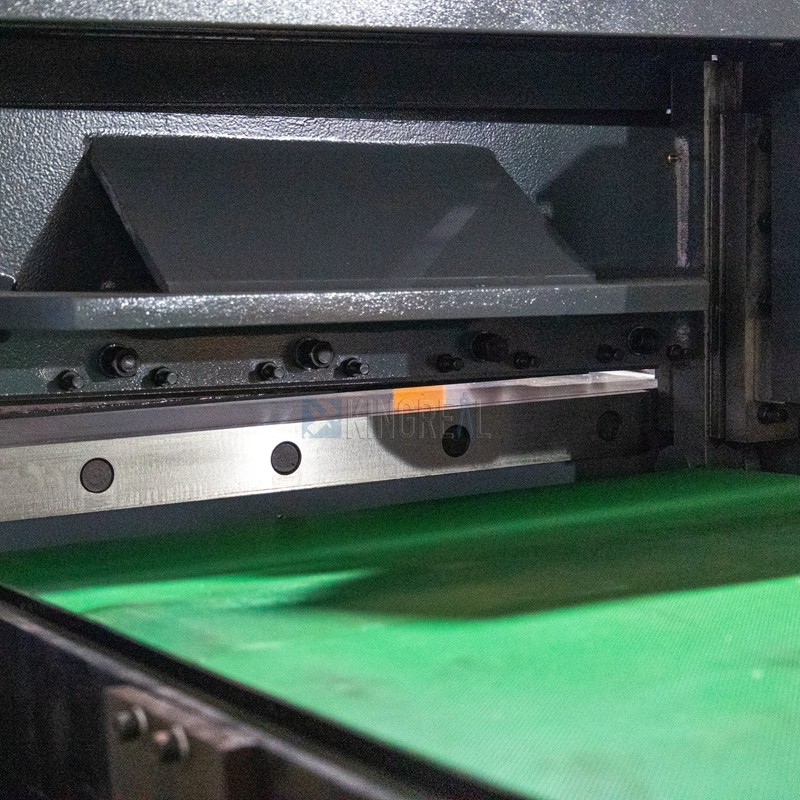
-Shearing Unit and Blades: Options include hydraulic or mechanical shears. Blades are typically made from Cr12MoV or H13 steel to ensure wear resistance during high-frequency shearing. High-end configurations allow for motorized, automatic adjustment of the blade clearance.
-Control System: Typically utilizes Siemens or Delta PLC solutions. The system must feature recipe storage, fault alarm logging, and remote data communication interfaces to support remote online commissioning.
4.Site Conditions and Installation Requirements
-Utility Requirements: Factory total installed power, voltage fluctuation range, and frequency must be verified. The hydraulic station's cooling method (air-cooled or water-cooled) should be selected based on the ambient temperature.
-Factory Layout: The total length and width of the line are fixed. If site length is limited, KINGREAL offers compact layout solutions. KINGREAL compact cut to length lines utilize an integrated design to significantly reduce the equipment footprint while retaining core functionality.
-Foundation Construction: High-speed or heavy gauge cut to length lines generate significant impact and vibration during operation; deep foundations and embedded steel plates are usually required. Foundation drawings must be designed by professional engineers based on the equipment's dynamic loads.
-Environmental Protection: In humid or mildly corrosive environments, motors and electrical control cabinets require higher IP ratings, and critical components need anti-rust treatment.
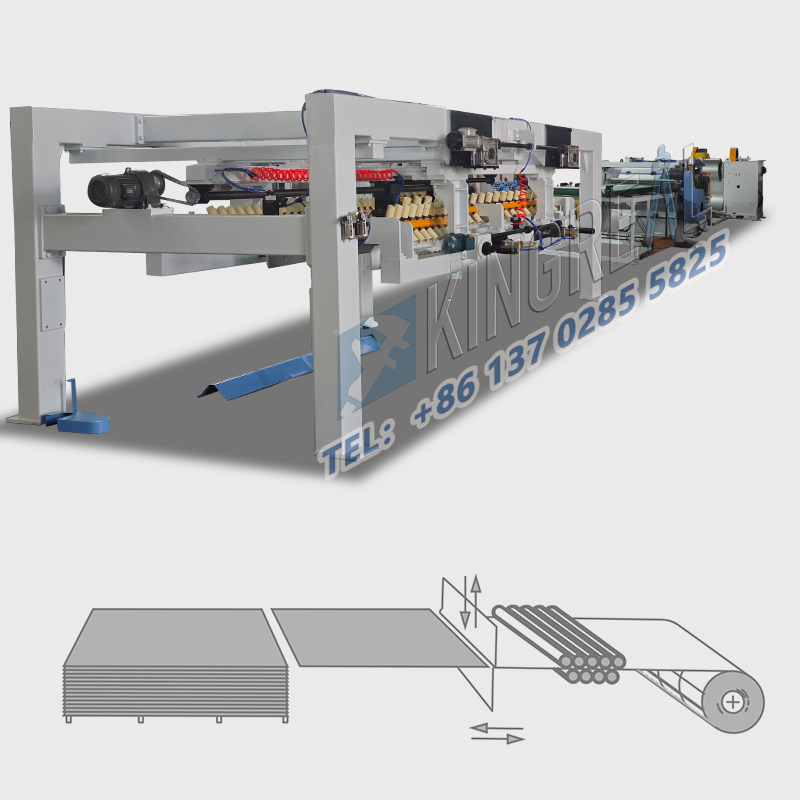
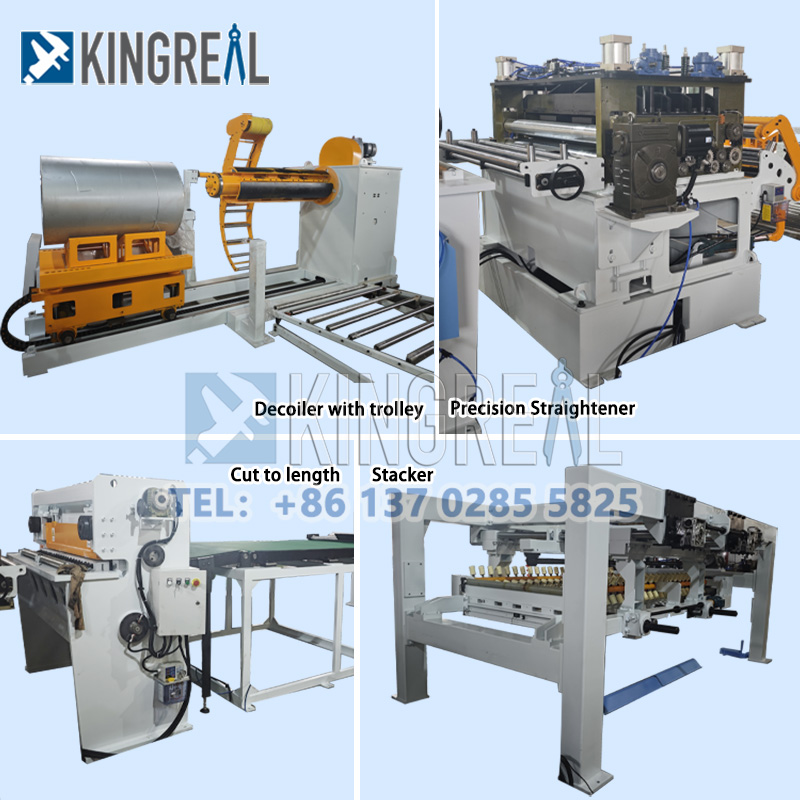
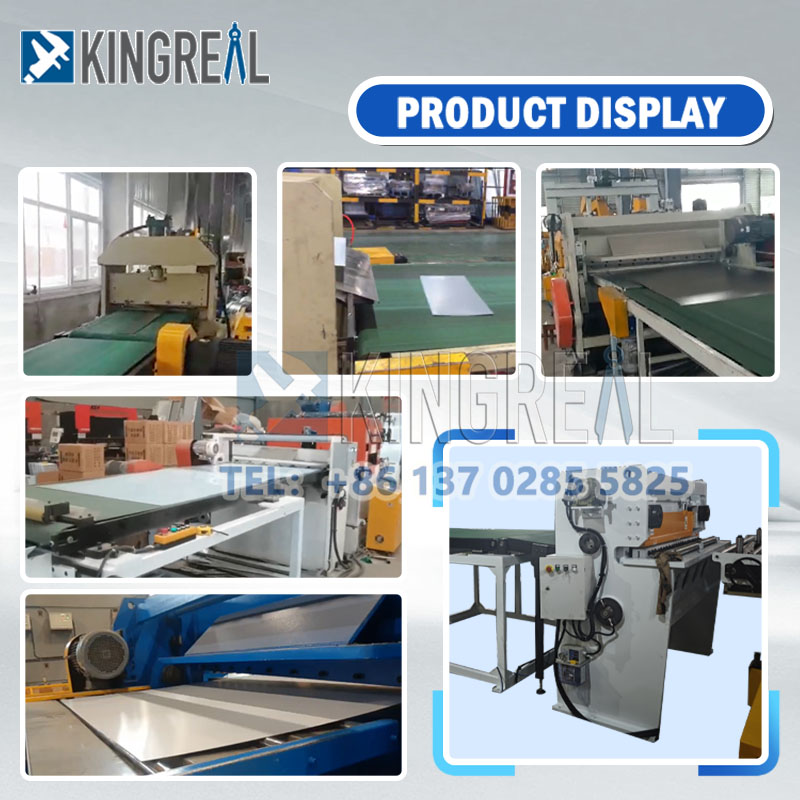
(KINGREAL Compact Cut to Length Line)
5. Operation & Maintenance & Compliance & ROI
-Wear Parts and Spares: Blades, seals, encoders, and bearings are standard wear parts. KINGREAL recommends that overseas customers stock up on 1–2 years' worth of consumable parts based on the suggested list.
-Commissioning and After-Sales Service: A standard delivery process comprises four stages: static inspection, single-point commissioning, no-load operation, and load-bearing production. KINGREAL supports both remote video-guided commissioning and on-site installation and training by engineers.
-Safety and Compliance: Cut-to-length lines exported to markets such as Europe and the US must comply with CE or ISO safety standards. This includes the installation of safety light curtains, emergency stop interlocks, physical safety guards, and multi-color alarm indicator lights.
-Investment Budget Control: A clear distinction should be made between standard and optional configurations. The basic standard version is suitable for startup projects; while the upgraded, highly automated version requires a higher initial investment, it typically offers a superior long-term return on investment (ROI) by reducing labor costs and material waste.
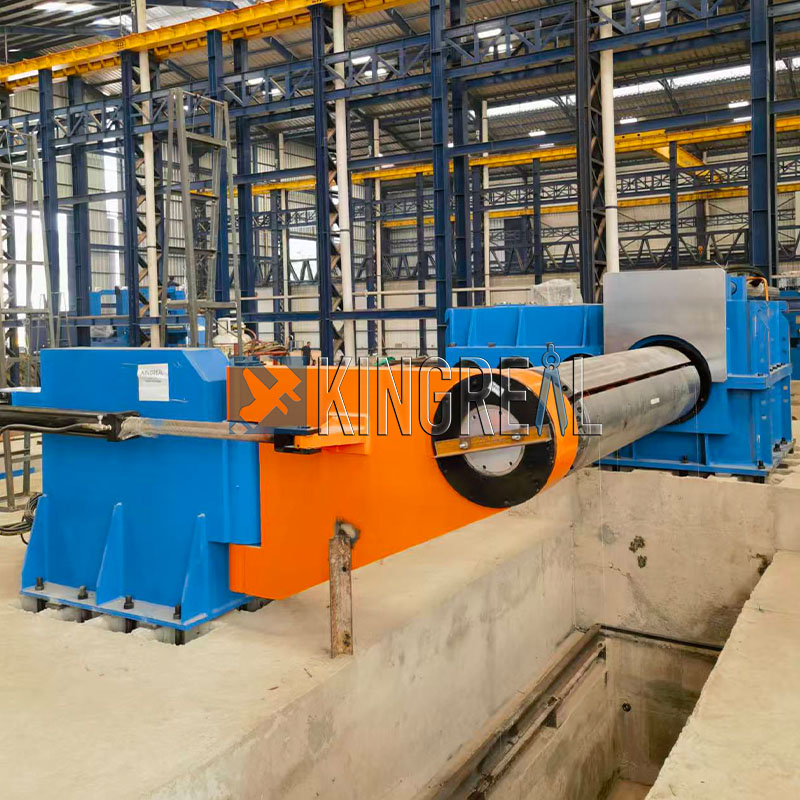
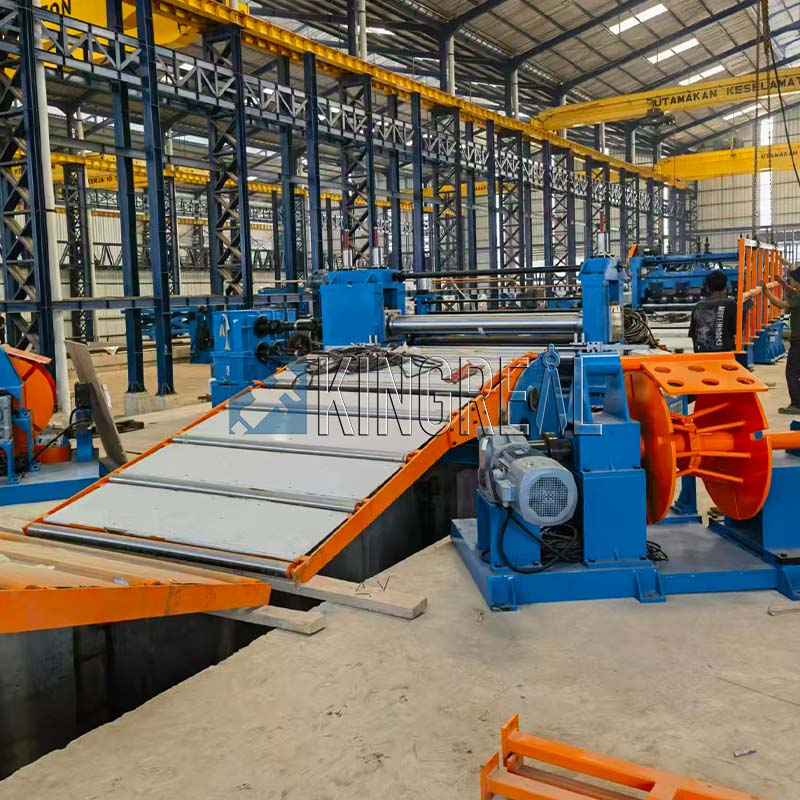
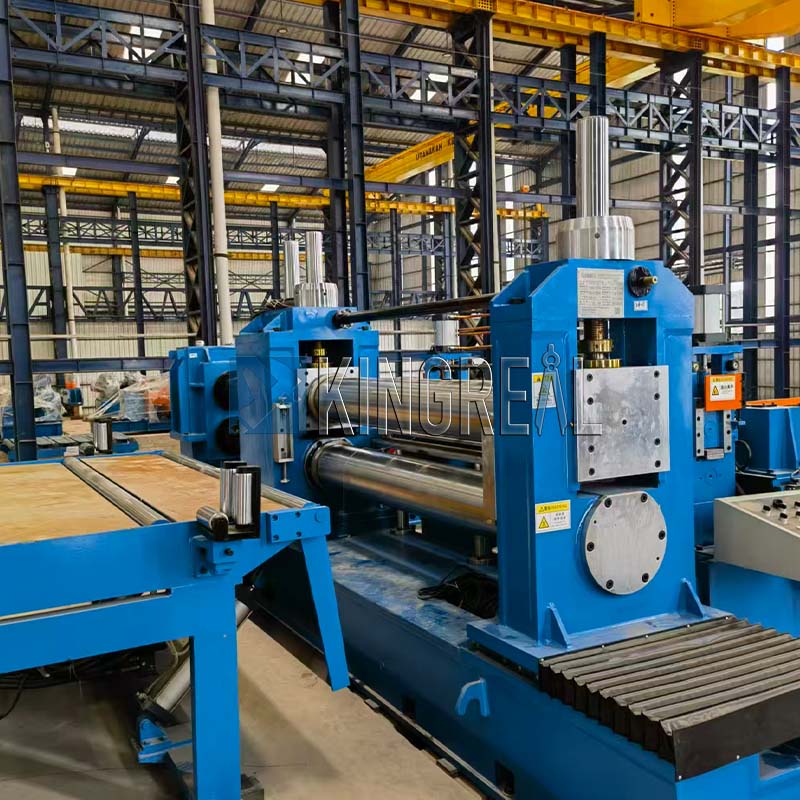
(KINGREAL After-sales Team in Indonesia)
Purchasing a cut to length machine involves carefully weighing technical specifications against cost. KINGREAL is committed to standing behind every machine sold, providing comprehensive services that range from solution design and manufacturing to on-site installation and operator training. We continuously monitor the cut-to-length line's operational status to ensure the timely supply of spare parts.
Please feel free to contact KINGREAL regarding any procurement needs or technical questions concerning cut to length machines. We are ready to provide professional, one-on-one technical consultation.