
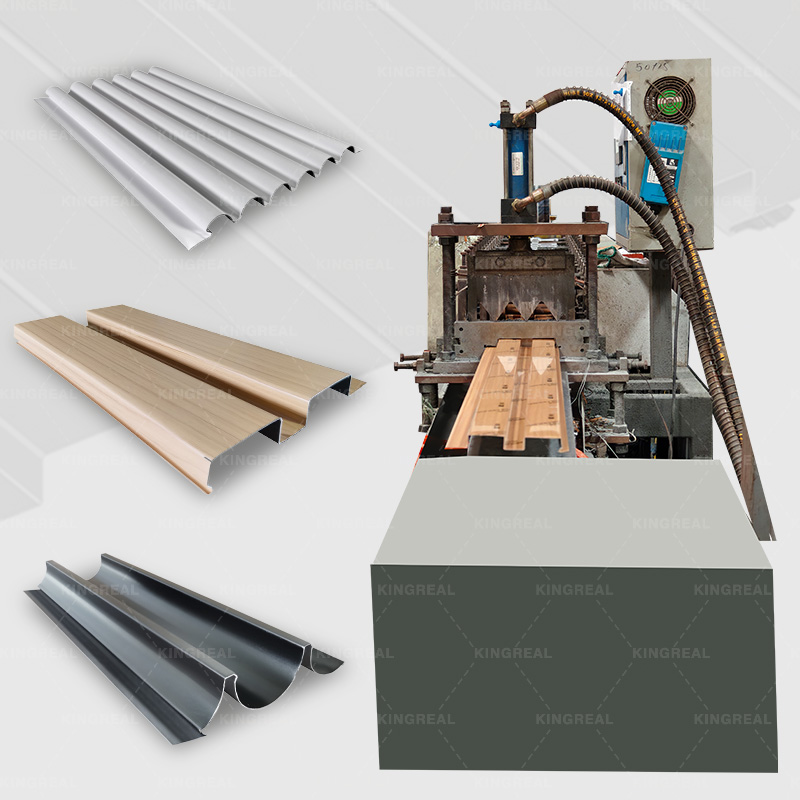
Facade Panel Roll Forming Machines primarily encompass two core types of equipment: great wall panel machine and cladding wall panel machine.
These machines comprehensively meet the diverse production requirements for modern architectural facade decoration and are widely used in sectors such as commercial buildings, industrial facilities, and high-end residential interiors.
1. What is a Great Wall Panel Machine?
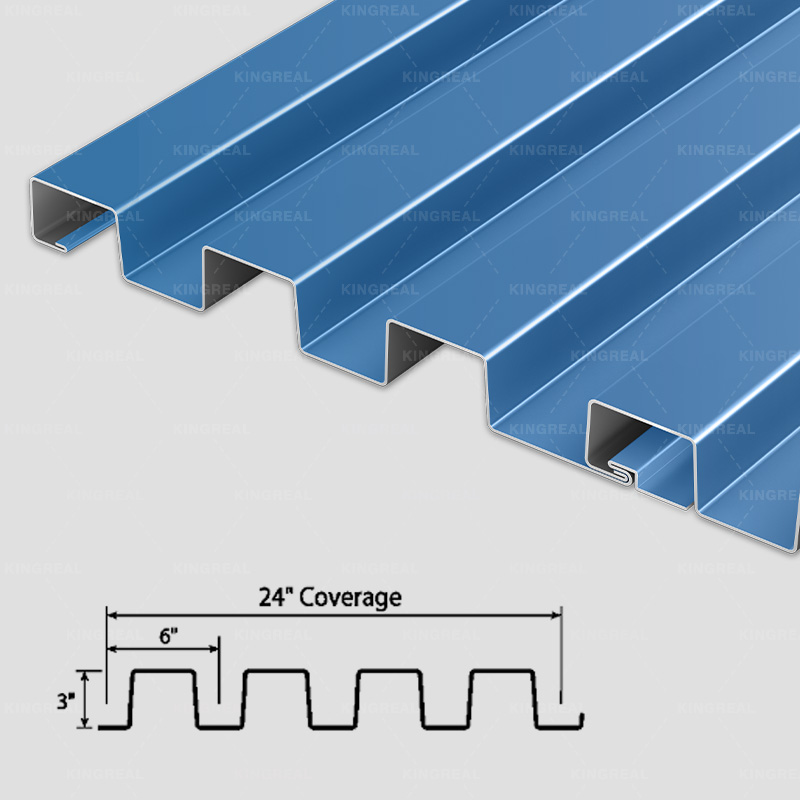
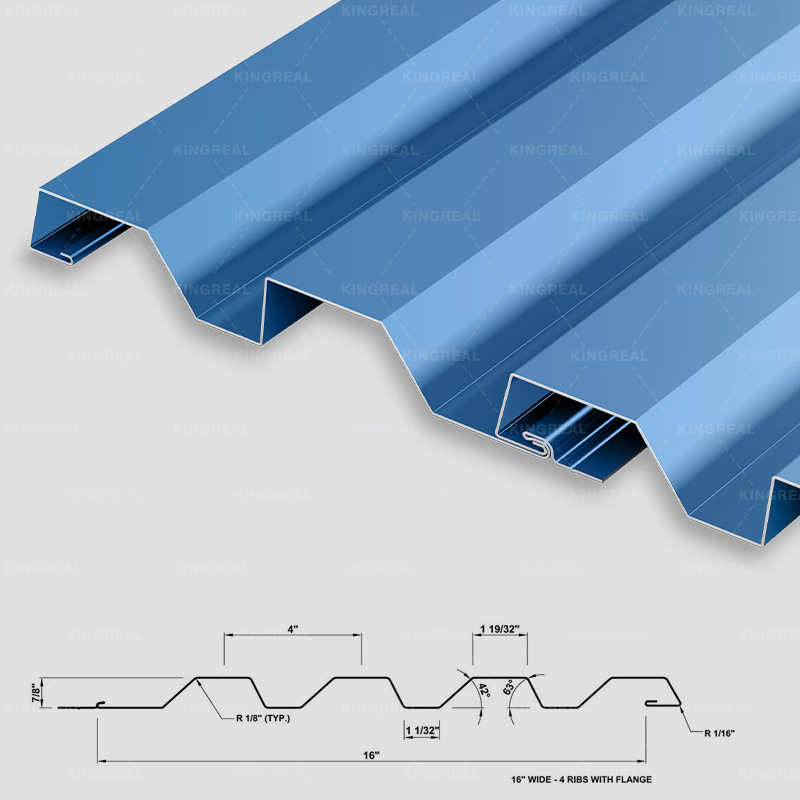
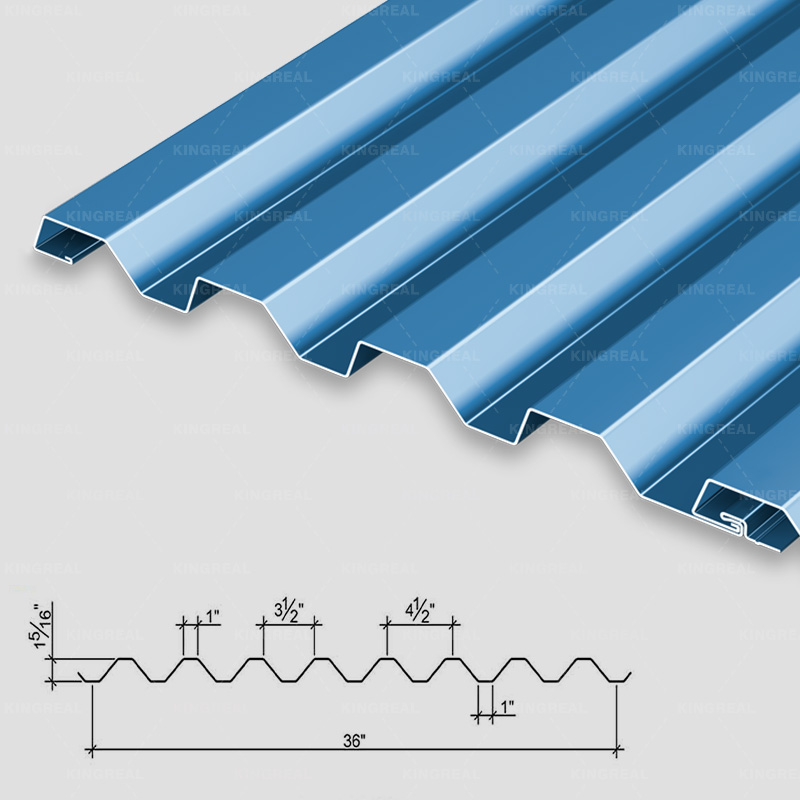
The great wall panel machine derives its name from the cross-sectional profile of the panels it produces; the staggered, undulating, and winding contours closely resemble the ramparts of China's Great Wall.
Utilizing a precision continuous roll-forming process, the great wall panel machine transforms flat metal strips into great wall panels characterized by a distinct, three-dimensional layered aesthetic
1.1 Working Principle of Great Wall Panel Machine
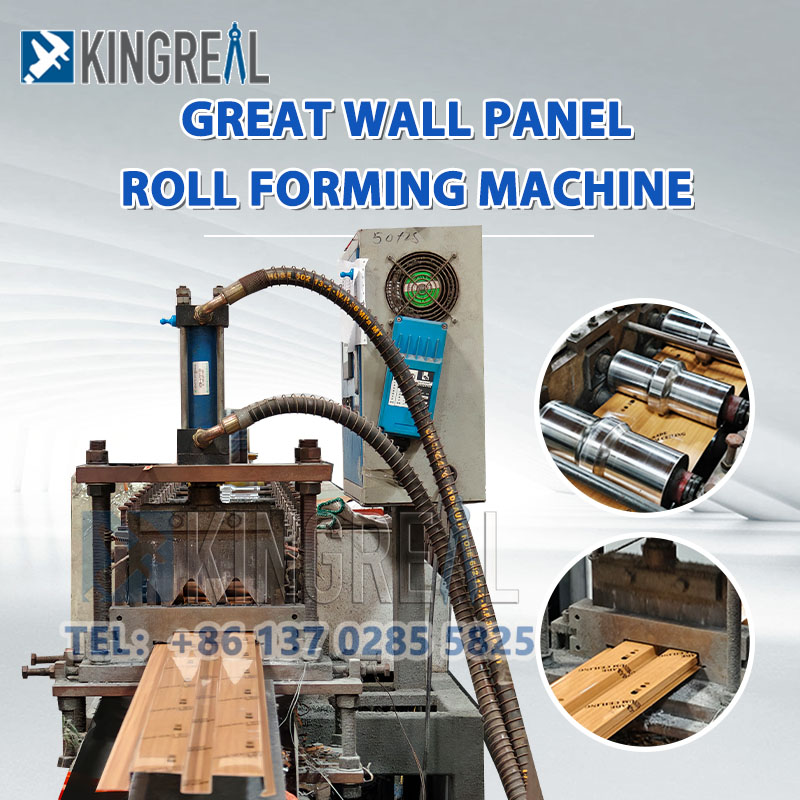
The core process of the great wall panel machine is continuous precision roll forming. It operates via a fully automated, closed-loop system that requires no manual intervention during the forming process.
During operation, the aluminum alloy coil is securely mounted on the decoiler.
A specialized feeding unit maintains constant tension, ensuring the strip is fed smoothly and at a uniform speed into the main forming unit.
Subsequently, the strip undergoes progressive plastic deformation through the successive squeezing and bending actions of multiple sets of high-precision rollers.
This gradually creates a regular structure of alternating high and low grooves, ultimately shaping the material into a standard great wall panel with crisp edges and uniform patterning.
1.2 Core Components of Great Wall Panel Machine
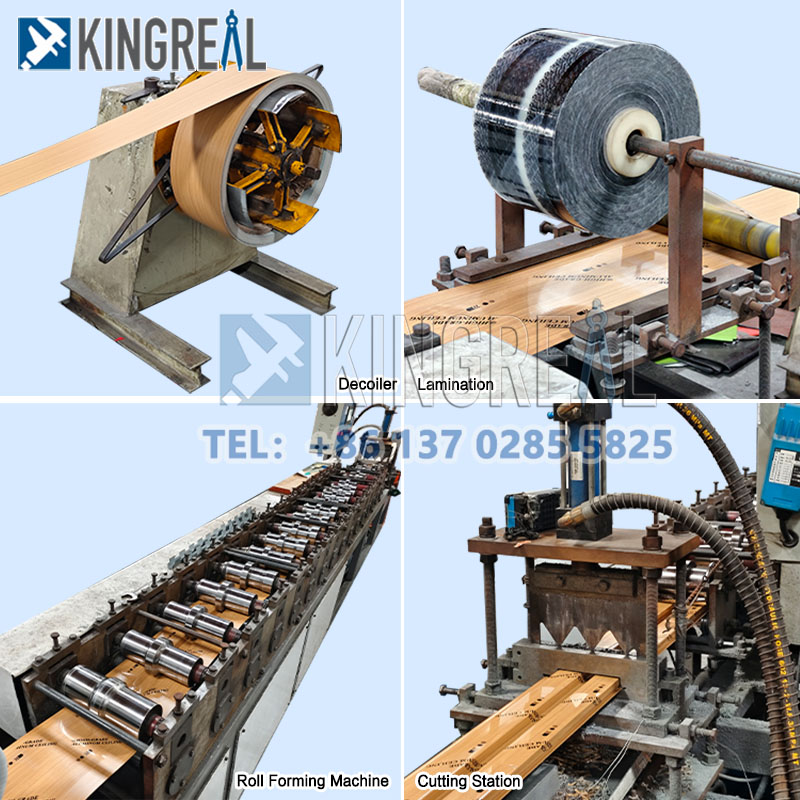
-Decoiler: Specifically designed to hold the aluminum alloy raw material coil.
It features a standard hydraulic expansion and adjustment system that adapts to various inner coil diameters, ensuring the material is held firmly in place.
-Feeding & Leveling Unit: Performs comprehensive leveling and calibration on the metal strip as it is fed into the system.
-Roll Forming Machine: The core rollers are crafted from high-precision mold steels (such as Cr12) and undergo high-temperature quenching and hardening. This results in high hardness and superior wear resistance, perfectly suiting the forming requirements of aluminum alloys while preventing scratches or abrasion to the panel's surface oxide layer and coating.
Furthermore, the spacing and vertical positioning of the rollers are precisely calculated; these parameters directly determine the depth and width of the panel grooves as well as the overall dimensional accuracy of the profile.
-Cutting Device: Equipped with dual-technology options—hydraulic drive or servo-driven flying shear—enabling fully automatic cutting based on preset panel dimensions.
-PLC Control System: Comes standard with an intelligent PLC control system from renowned brands like Siemens or Mitsubishi.
It enables fully automated, closed-loop regulation of feeding speed, rolling pressure, forming precision, and cutting dimensions.
Features include one-touch parameter setting and automatic fault warnings, ensuring ease of operation and stable performance.
1.3 Advantages of Great Wall Panels
Great Wall panels produced by this great wall panel machine offer excellent overall performance, boasting key advantages such as light weight, high structural strength, corrosion resistance, and aging resistance, making them suitable for diverse and complex architectural environments.
Additionally, the panels' unique three-dimensional, undulating structure provides natural shading and light-scattering effects, effectively reducing indoor energy consumption while combining decorative appeal with energy efficiency.
2. What is a Cladding Wall Panel Machine?
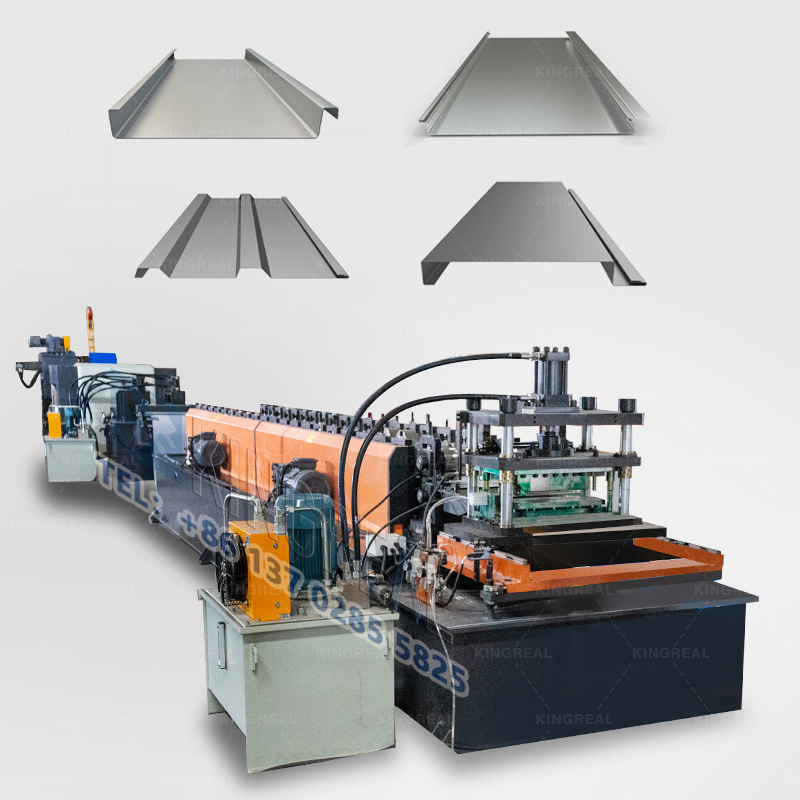
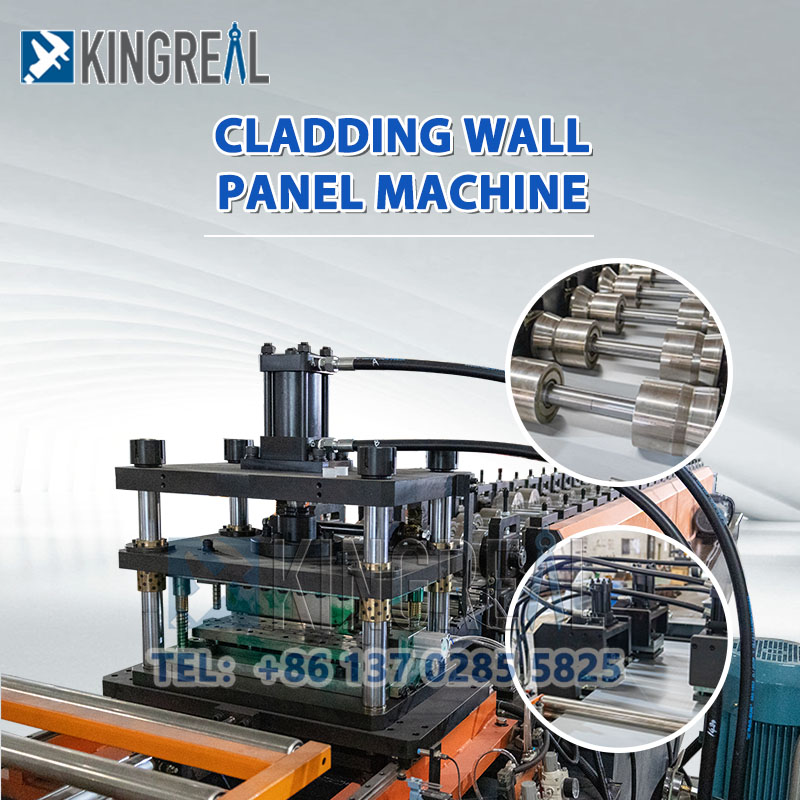
The cladding wall panel machine specializes in forming functional and structural metal wall panels.
It accommodates a wide range of base materials and produces diverse panel types, finding applications in projects such as industrial buildings and the exterior facades of large public venues.
2.1 Working Principle of Cladding Wall Panel Machine
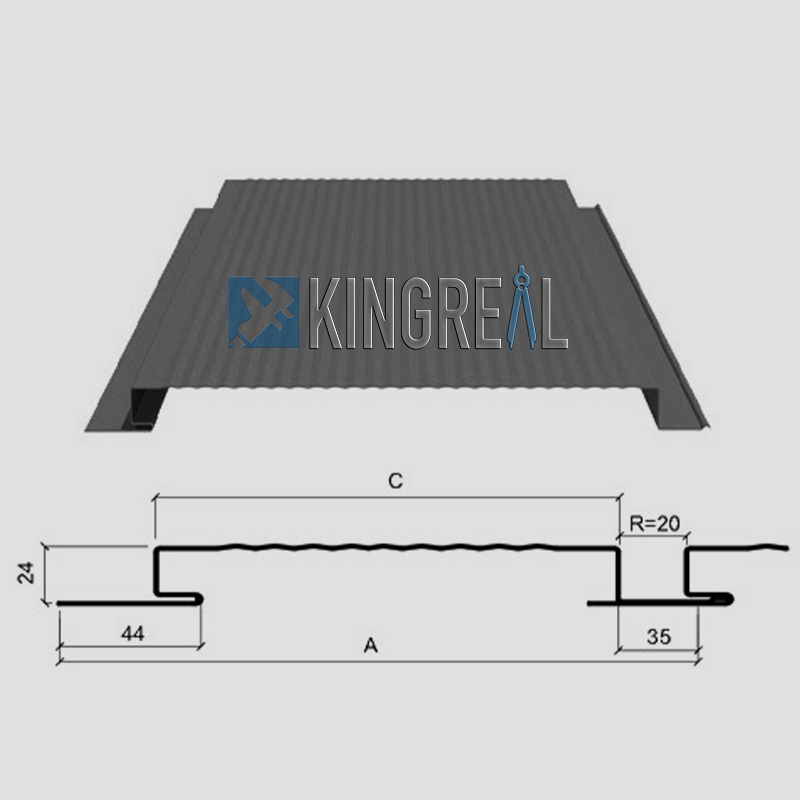
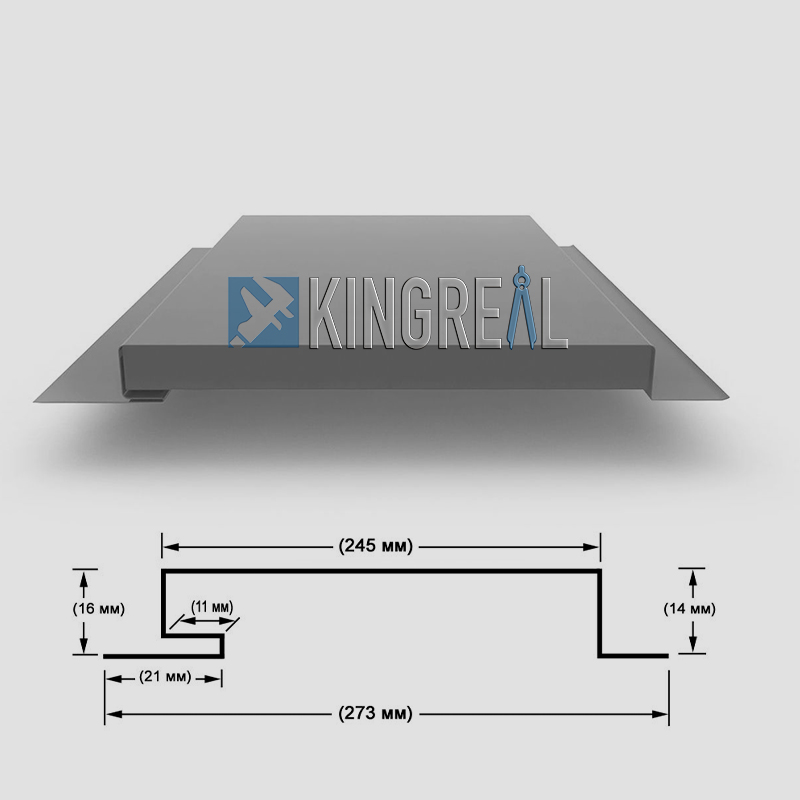
The Cladding Wall Panel Machine reliably processes various metal substrates, including galvanized steel, color-coated steel, aluminum alloy, and stainless steel. It utilizes a continuous cold-roll forming process with multiple closely spaced roller sets to gradually bend, roll-press, and shape flat metal coils, ultimately producing two types of wall panels: Concealed Fastener Panels and Exposed Fastener Panels.
2.2 Components of Cladding Wall Panel Machine
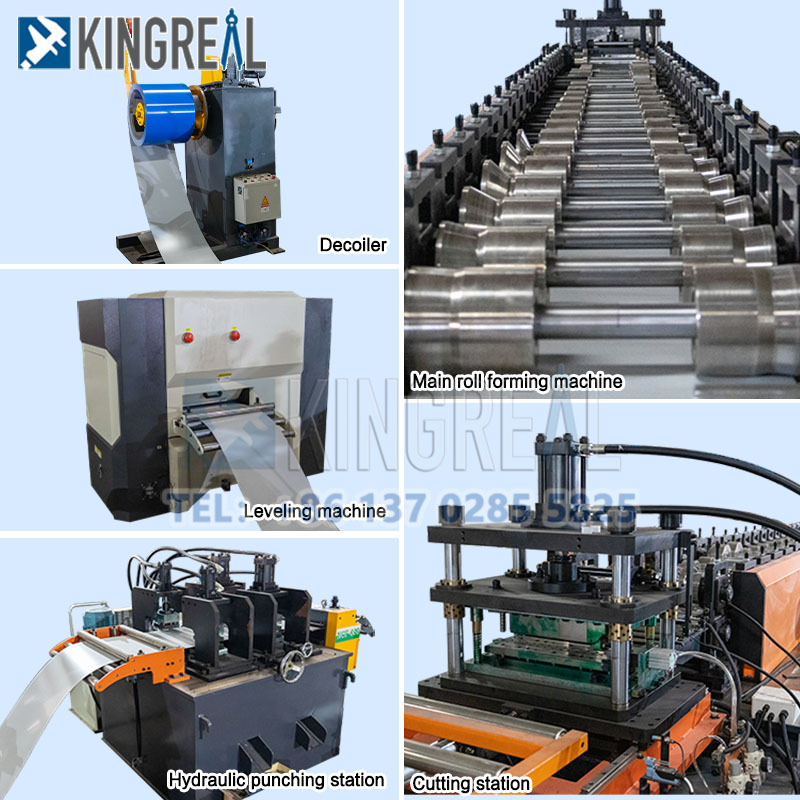
The fully automatic cladding wall panel machine features standardized, end-to-end production modules.
The complete line comprises four core units—the decoiler, precision leveler, roll forming machine, and automatic cutting station—enabling a fully automated production process that spans raw material uncoiling, leveling, and forming through to cutting.
Additionally, the cladding wall panel machine supports modular customization; a punching station can be added to meet specific project requirements and accommodate personalized engineering needs.
2.3 Advantages of Metal Wall Cladding Panels
Metal wall cladding panels produced by the cladding wall panel machine offer three core advantages: durability, weather resistance, and low maintenance costs.
Precision cold-roll forming ensures exceptional structural stability, allowing the panels to withstand harsh outdoor conditions—such as wind, rain, intense sunlight, and frost—without easily deforming, fading, or rusting.
Furthermore, the panels feature advanced surface finishing, eliminating the need for frequent maintenance or refurbishment; with a lifespan spanning decades and excellent cost-effectiveness, they are an ideal choice for building envelope systems.
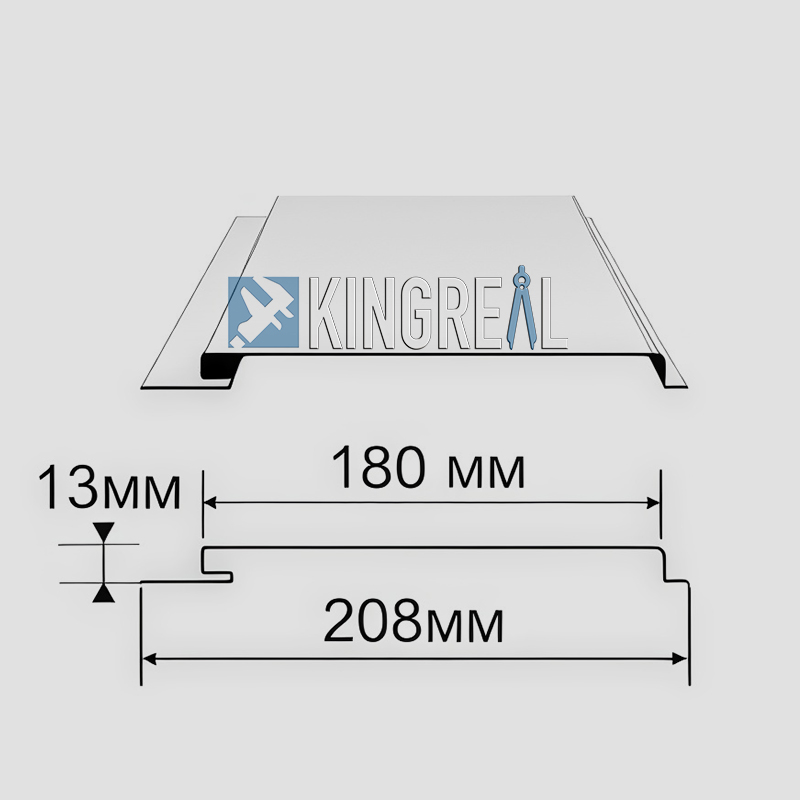
3. Great Wall Panel Machine vs. Cladding Wall Panel Machine
When selecting a facade panel roll forming machine, clearly distinguishing the performance differences between the great wall panel machine and the cladding wall panel machine ensures a precise match with the production requirements of specific architectural projects.
| Comparison Criteria | Great Wall Panel Machine | Cladding Wall Panel Machine |
| Applicable Raw Materials | Aluminum alloy | Galvanized steel, color-coated steel, stainless steel, etc. |
| Cross-section Design & Functional Focus | Features a 3D profile with alternating high and low grooves; emphasizes decorative appeal | Features a robust, reliable structure; optimizes interlocking and sealing performance; prioritizes protective functions |
| Connection & Installation | Interlocking and screw-fixing; quick and efficient installation | Supports both concealed and exposed fastener options; adaptable to various waterproofing requirements and site conditions |
| Typical Applications | Decorative projects such as commercial center facades and high-end interior feature walls | Building envelopes for industrial plants, warehouses, large stadiums, etc. |
| Manufacturing Challenges | Strict requirements for roll geometric precision and surface finish to protect aluminum alloy coatings and oxide layers | Precise control of metal spring-back to ensure panel rigidity and flatness; requires more roll stations and higher overall machine structural strength |
KINGREAL offers a comprehensive range of facade wall panel roll forming machines, including both great wall panel machines and cladding wall panel machines.
We provide global clients with standardized, customized, and intelligent one-stop metal panel production solutions.
Please contact KINGREAL directly for detailed equipment specifications, forming processes, selection guidance, and project customization services.