
In modern industrial manufacturing, the processing efficiency and finished-product precision of metal profiles are key indicators of a company's competitiveness. KINGREAL is dedicated to providing customers with highly customized roll forming machine solutions.
Leveraging a deep understanding of material properties, production environments, and end-use applications, KINGREAL meets a full spectrum of production needs—ranging from standard industrial components to complex, high-precision profiles—by offering system integration solutions tailored to various levels of automation and technical specifications.
What is a Roll Forming Machine?
A roll forming machine is an automated system that shapes metal strip material into specific cross-sectional profiles through a continuous bending process. A complete roll forming machine typically comprises the following key functional modules:
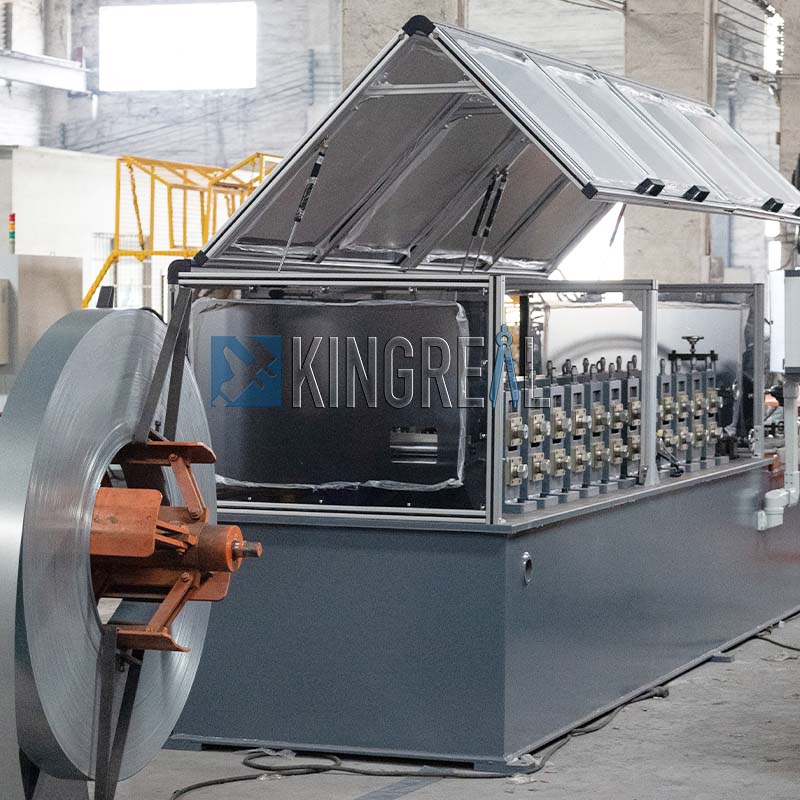
Decoiler: Supports and unwinds the metal coil, supplying continuous strip material for subsequent processing.
Leveler: Eliminates internal stresses in the metal strip through alternating multi-roller bending, ensuring material flatness before it enters the main forming unit.
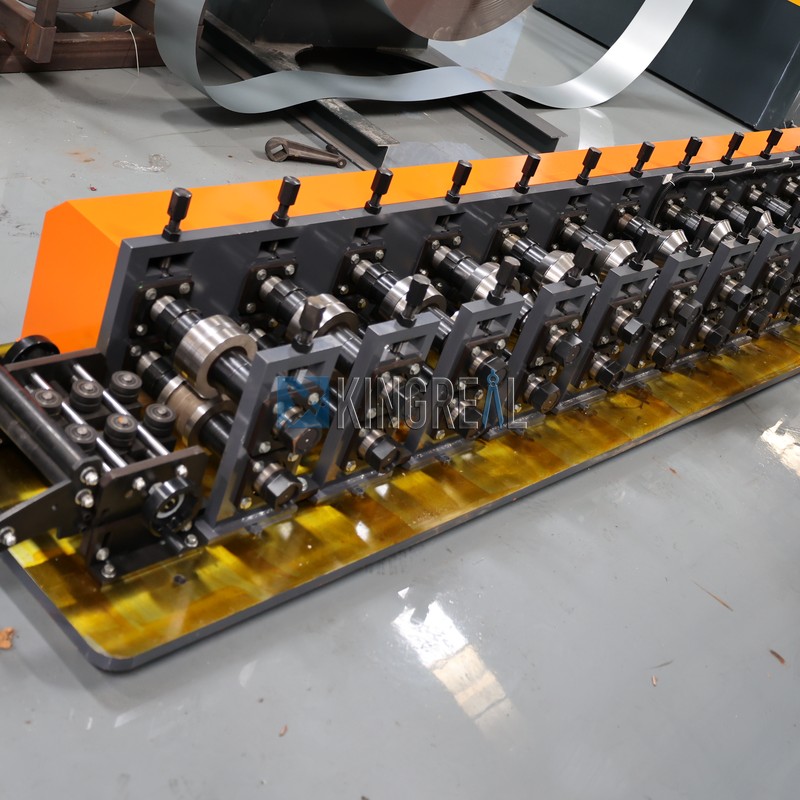
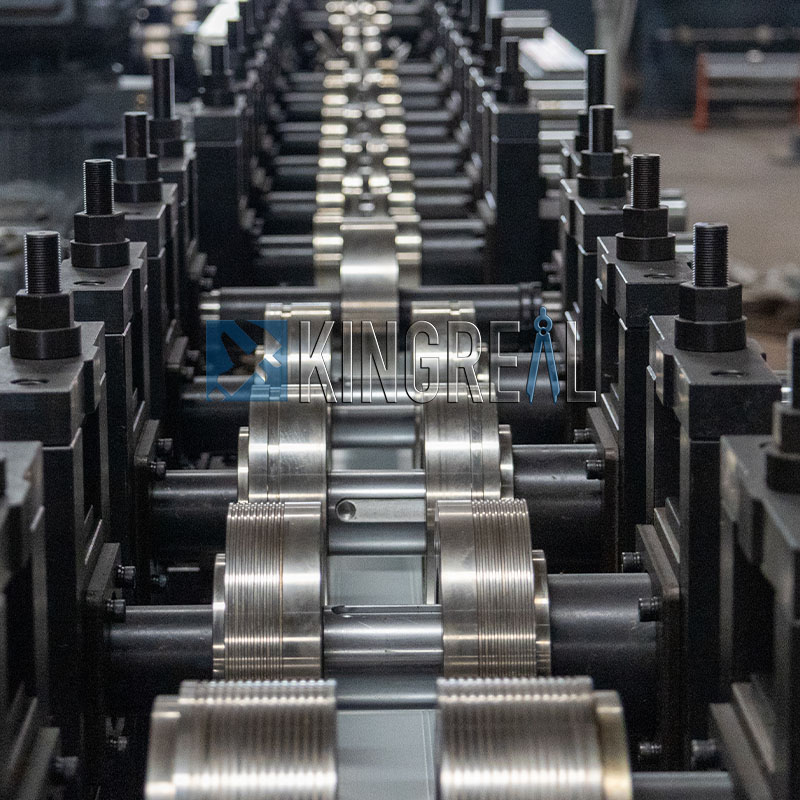
Main Forming Machine: The strip passes sequentially through multiple sets of rollers designed according to specific process requirements; it undergoes progressive plastic deformation to achieve the final desired geometric shape.
Punching & Cutting Station: Performs in-line punching at specific locations based on product requirements and executes cut-to-length operations using hydraulic or servo-driven flying shear systems.
Discharge Table: Receives and collects the finished profiles.
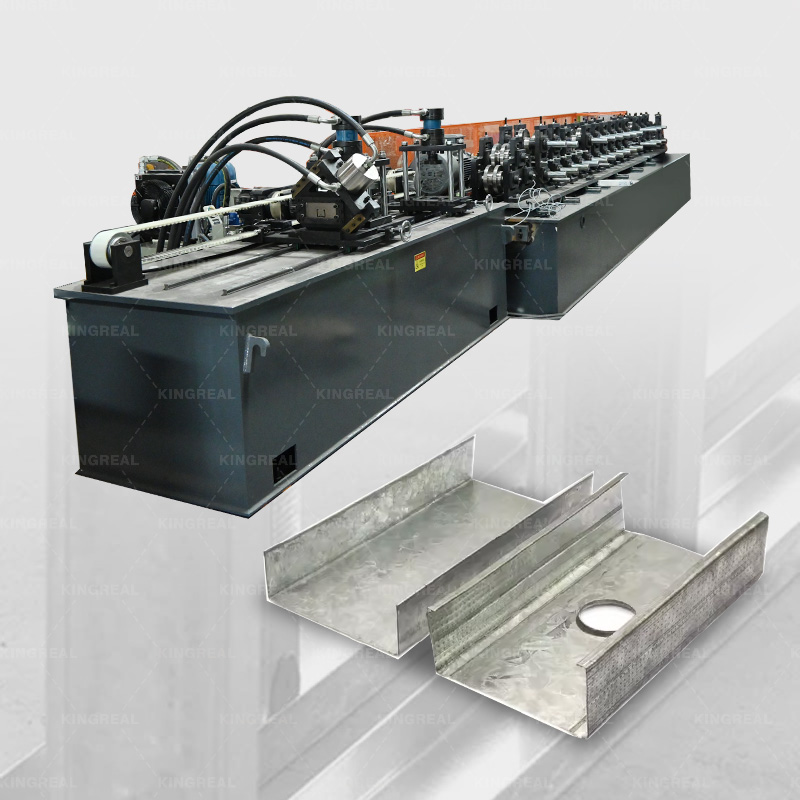
The technical core of the roll forming machine lies in the design of the roller sets and the precision of the tooling. By adjusting roller configurations and the geometric parameters of the cutting dies, a single machine—operating on the same fundamental principle—can produce thousands of different profiles for diverse applications, such as C channels, U channels, and corrugated sheets.
Roll Forming Machines in Various Applications
KINGREAL roll forming machines are widely used across global industries. The following are the key sectors with the highest market demand:
1. Suspended Ceiling Industry
The architectural decoration sector demands exceptionally high standards for surface quality and straightness in profiles. KINGREAL offers a comprehensive range of suspended ceiling making machines, including those for baffle ceilings, ceiling T-grids, linear strip ceilings, and open cell ceilings.
2. Metal Roofing Industry
This sector primarily involves forming machines for glazed metal tiles, corrugated sheets, and trapezoidal profiles.
The metal roofing machine supports the processing of color-coated steel and aluminum sheets of varying thicknesses; precise forming dies replicate the aesthetic of traditional tiles while ensuring tight overlapping for superior waterproofing and wind-load resistance.
3. Solar PV Industry
Solar mounting structures are a key application for these roll forming machines. As these mounts are typically used outdoors, the equipment is designed to process high-strength steel and Zinc-Aluminum-Magnesium coated materials, ensuring precise punching locations to facilitate rapid on-site assembly.
4. Cable Tray Industry
Used for manufacturing various types of cable trays. KINGREAL cable tray roll forming machines feature automatic width adjustment for multiple specifications and can produce complex structures with stiffening ribs, significantly enhancing the tray's load-bearing capacity.
5. HVAC Industry
Includes roll forming machines for fire damper frames, TDC/TDF flanges, and air duct stiffening ribs. These machines often integrate in-line punching and flanging processes, serving as core components of automated air duct production lines.
6. Metal Door Industry
Primarily used for the roll-forming of door frames, rolling shutter slats, and octagonal tubes. The roll forming machine handles cold-rolled steel, galvanized steel, and stainless steel, ensuring precision in seam alignment.
7. Steel Structure Industry
Covers lgs machines, purlin roll forming machines, drywall profile machines and metal ceiling channel machines.
8. Storage Racking Industry
Used for producing uprights and beams. Roll forming machines typically handle high-strength steel and feature heavy-duty continuous punching systems to ensure precise alignment between hole positions and bend lines.
9. Highway Guardrail Industry
Primarily used for producing W-beam guardrails. This roll forming machine falls into the heavy-duty forming category, focusing on material impact strength and thickness control to ensure the profile's energy-absorption performance during collisions.
Technical Configurations of Roll Forming Machines
In KINGREAL design philosophy, the choice of configuration directly impacts machine stability, product precision, production efficiency, and maintenance costs.
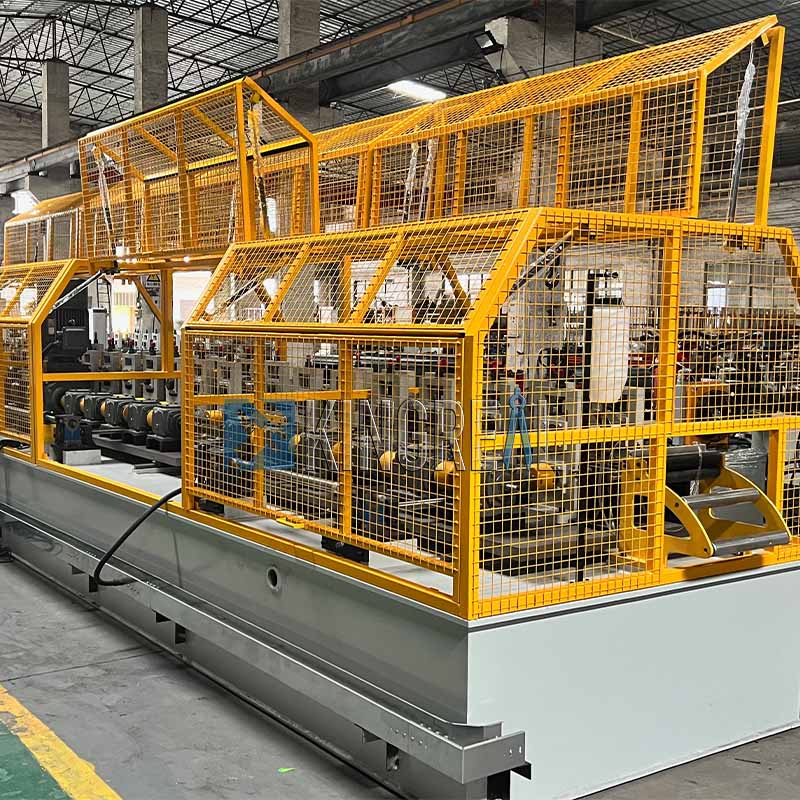
Safety Protection:
To comply with international safety standards such as CE, KINGREAL can install industrial-grade protective shields over the main forming unit. This prevents operator contact with rotating rollers, effectively reduces operating noise, and minimizes dust pollution.
Multi-size Compatibility Designs:
-Cassette Type: Rollers for different specifications are pre-installed on interchangeable, independent bases. When switching products, the entire base is swapped using lifting equipment, reducing changeover time to just 15–30 minutes.
-Automatic Width Adjustment: Servo motors drive lead screws to move the rollers laterally. Operators simply input parameters via the PLC touchscreen, and the roll forming machine automatically adjusts to accommodate different material widths—ideal for multi-specification batch production.
Integrated Automated Packaging:
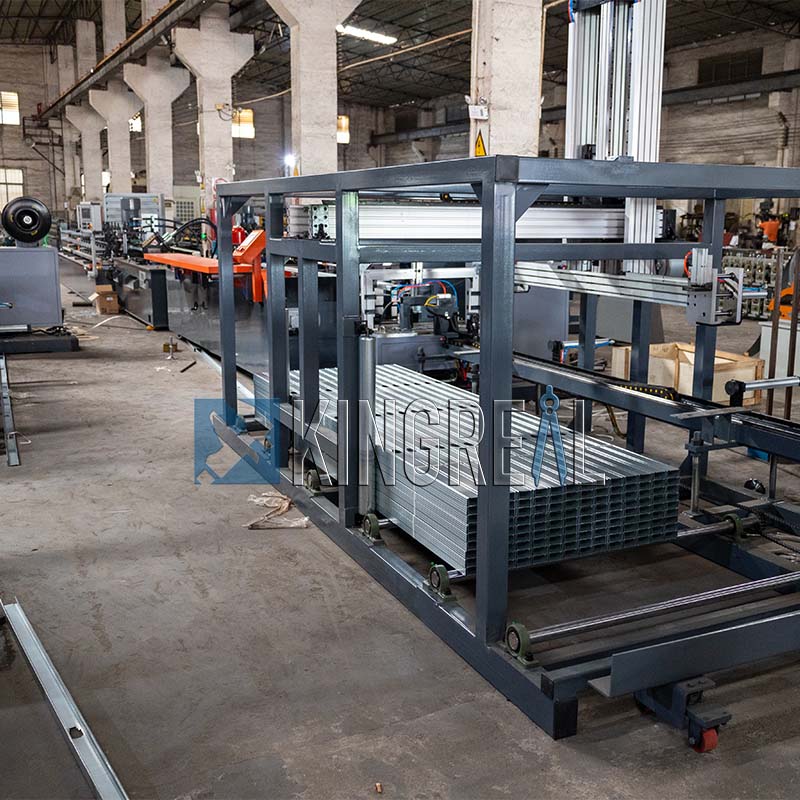
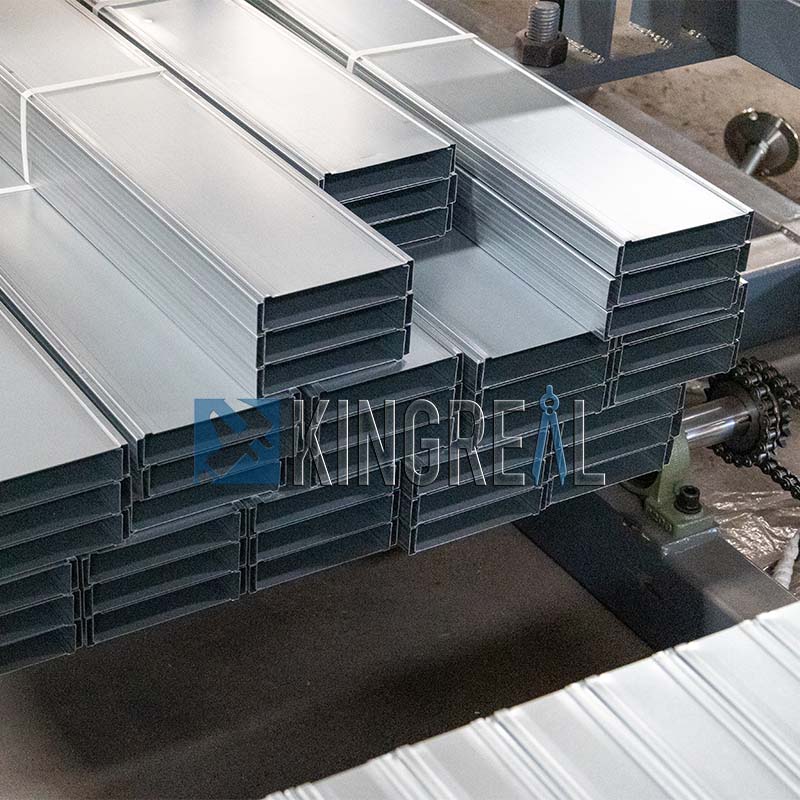
To achieve a fully automated process from coil to finished pack, KINGREAL integrates automatic strapping, packaging, and stacking systems at the discharge end of the roll forming machine. This significantly reduces the risk of scratches caused by manual handling and enhances logistics efficiency.
Identification and Branding Systems:
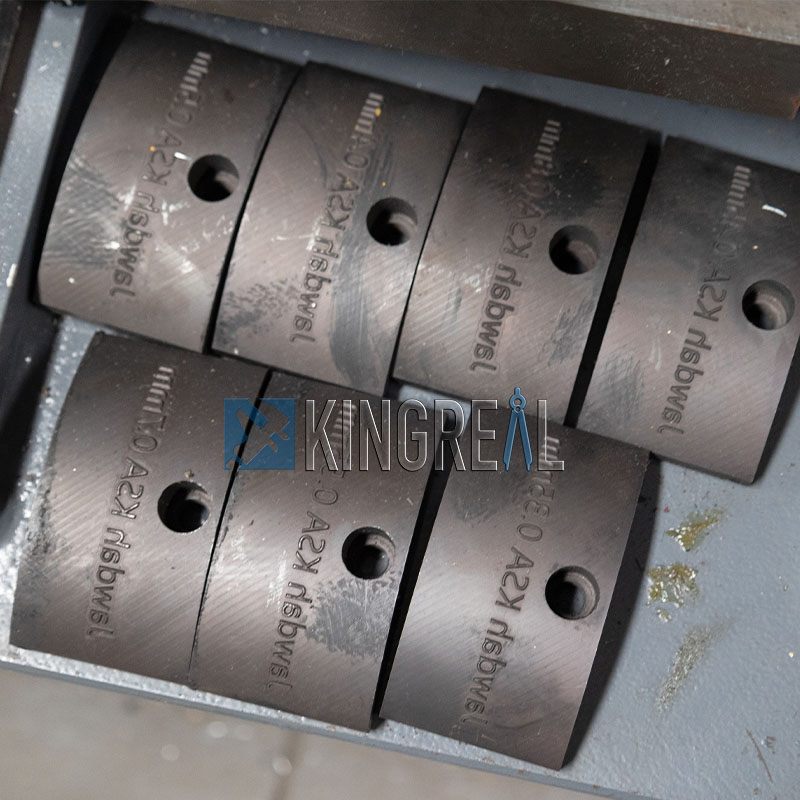
-Embossing Roller: During the forming process, a specialized mold directly impresses the brand logo, specifications, or production batch details onto the profile surface, thereby improving product identification.
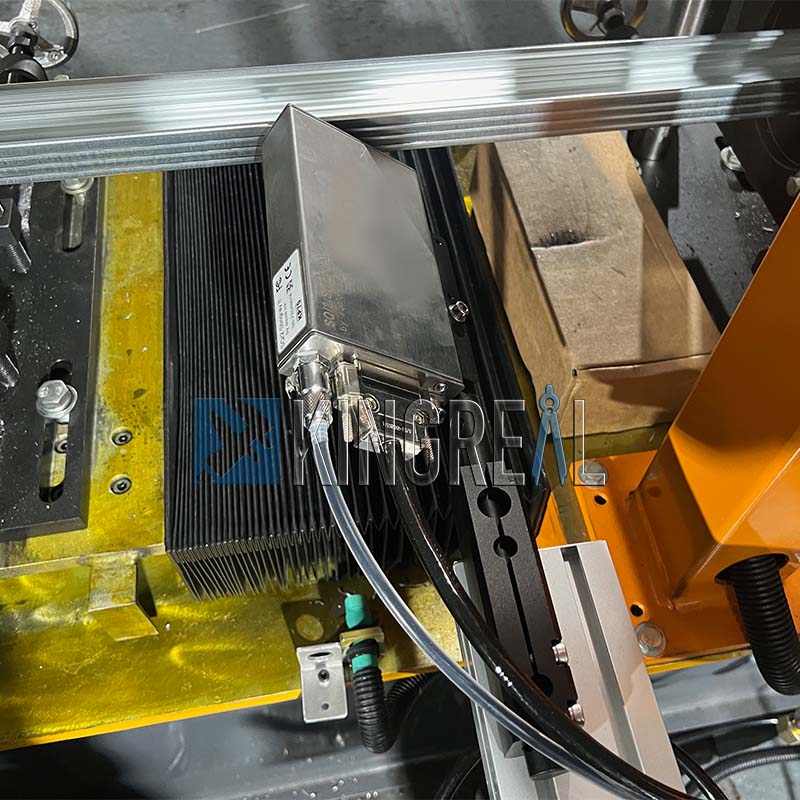
-Inkjeting Device: Capable of printing model numbers or brand names directly onto the profiles, facilitating accurate on-site organization and efficient installation.
Whether you specialize in architectural decoration, energy infrastructure, or the manufacturing of industrial components, selecting the right roll forming machine solution is key to achieving high production efficiency.
Drawing on thousands of successful projects across sectors such as suspended ceiling systems, cable trays, and light-gauge steel structures, KINGREAL provides comprehensive, full-lifecycle services to global clients—ranging from initial design concepts to final installation and ongoing maintenance.
Please feel free to contact KINGREAL if you have technical questions or customization requirements regarding roll forming machine for specific industries. Our technical experts will tailor a cost-effective manufacturing solution to your needs based on your profile cross-section drawings and production capacity requirements.