
KINGREAL provides comprehensive, diversified coil processing systems—including steel slitting line, cut to length line, metal perforated machine, and metal bracket production line—to a wide range of enterprises, including metal processors, steel service centers, and contract manufacturers.
The choice of system architecture and process configuration plays a decisive role in project outcomes and factory profitability, impacting five key areas: production output, adaptability to customized manufacturing, raw material utilization, labor and maintenance costs, and compatibility with downstream deep-processing operations.
As an experienced manufacturer and supplier offering end-to-end services—ranging from R&D and custom commissioning to overseas delivery and after-sales support—KINGREAL draws on extensive practical project experience to analyze the core differences, advantages, and ideal applications of these four coil processing solutions.
KINGREAL helps enterprises make precise selections that align with project budgets, capacity planning, and long-term production requirements.
What is a Steel Slitting Line?
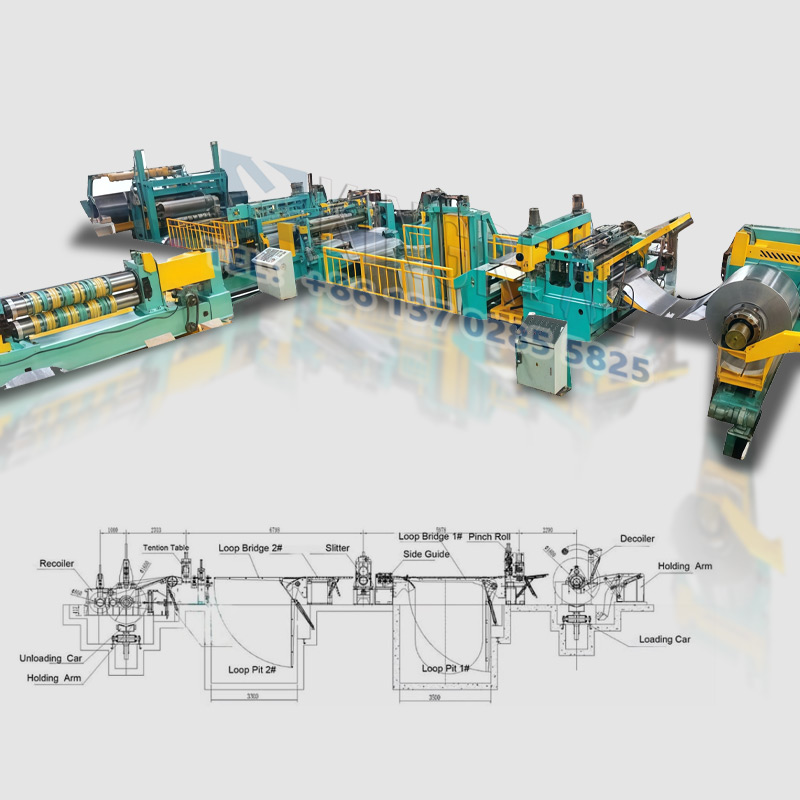
Steel slitting lines are designed for the longitudinal cutting of coiled materials. These integrated systems combine modules for uncoiling, strip guiding, longitudinal slitting, scrap winding, and recoiling. The core process involves slitting wide coils lengthwise into multiple narrower metal strips according to preset dimensions, followed by precision rewinding into standard, smaller finished coils.
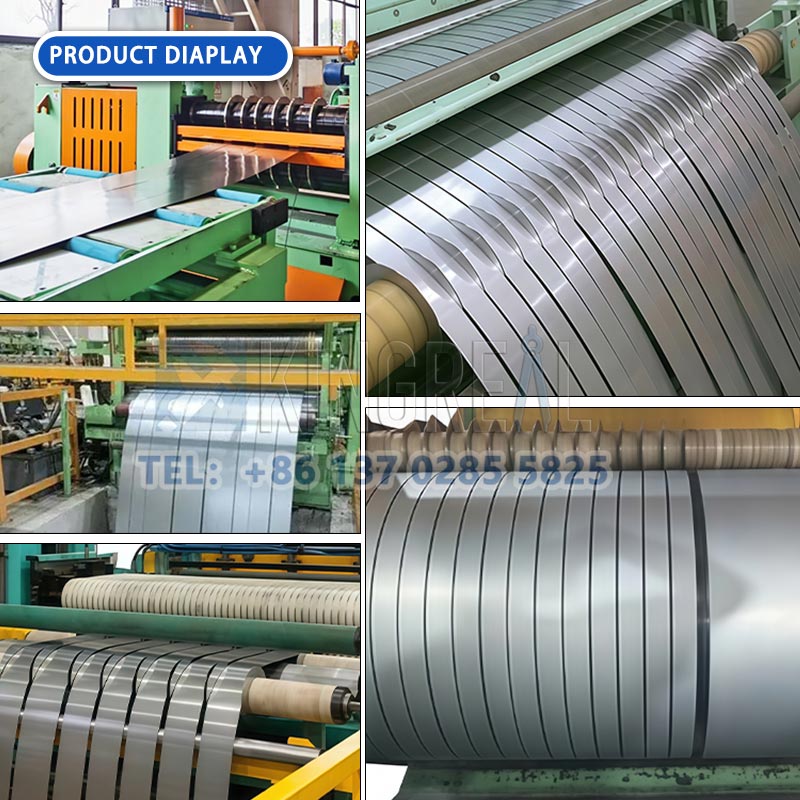
Strips processed on these lines require no further leveling and can be fed directly into downstream operations such as bending, cold-roll forming, and welding, covering the production of semi-finished metal profiles across the entire spectrum of the industry.
Key Advantages of Steel Slitting Line
1) Ultra-high-speed mass production capability:
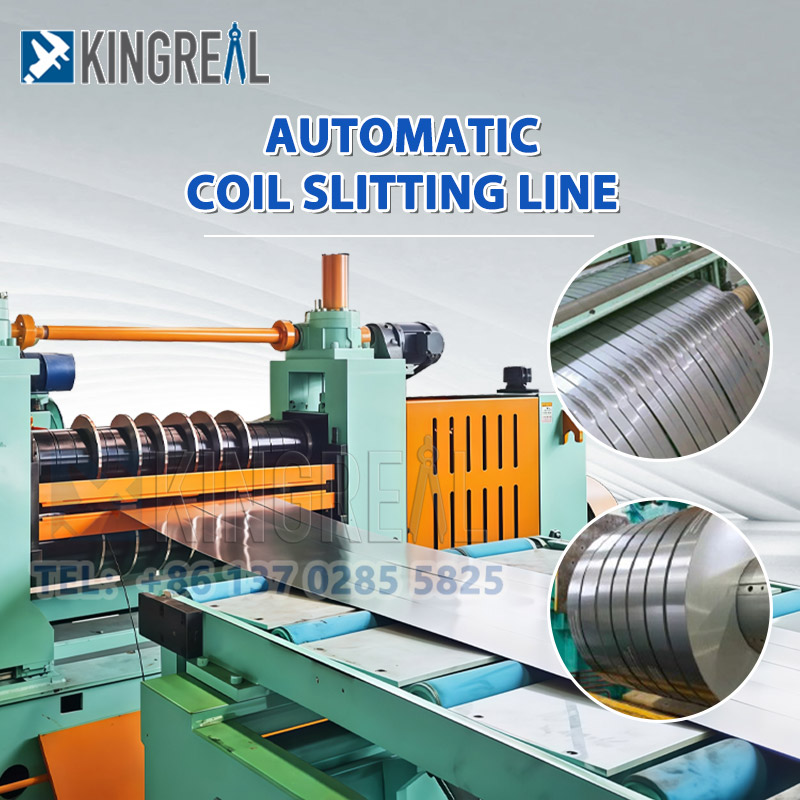
KINGREAL steel slitting lines operate at speeds up to 230 m/min and support prolonged, continuous production, making them ideal for high-volume, standardized narrow-strip coil orders;
2) Customizable widths:
The steel slitting lines feature one-touch parameter adjustment, allowing for customized narrow-strip widths with a minimum cutting precision of 5mm. They accommodate a full range of production—from ultra-fine precision strips to medium-thick industrial steel strips—with controllable dimensional tolerances that eliminate errors associated with manual cutting.
Applicable Industries
Pipe manufacturing: Manufacturers of welded pipes, structural engineering pipes, stainless steel decorative pipes, and specialized automotive exhaust pipes;
Cold-rolled profiles: Mass producers of aluminum alloy/steel door and window profiles, construction C/Z-sections, lightweight steel ceiling joists, and highway guardrails;
Hardware stamping: Production facilities for automotive structural stampings, home appliance hardware, industrial fasteners, and gaskets; systems can be integrated with high-speed presses and progressive dies to form a complete coil processing system;
Steel service centers: Large-scale steel trading and warehousing enterprises that purchase wide master coils and utilize KINGREAL steel slitting lines to provide contract processing services, empowering regional small and medium-sized processing plants.
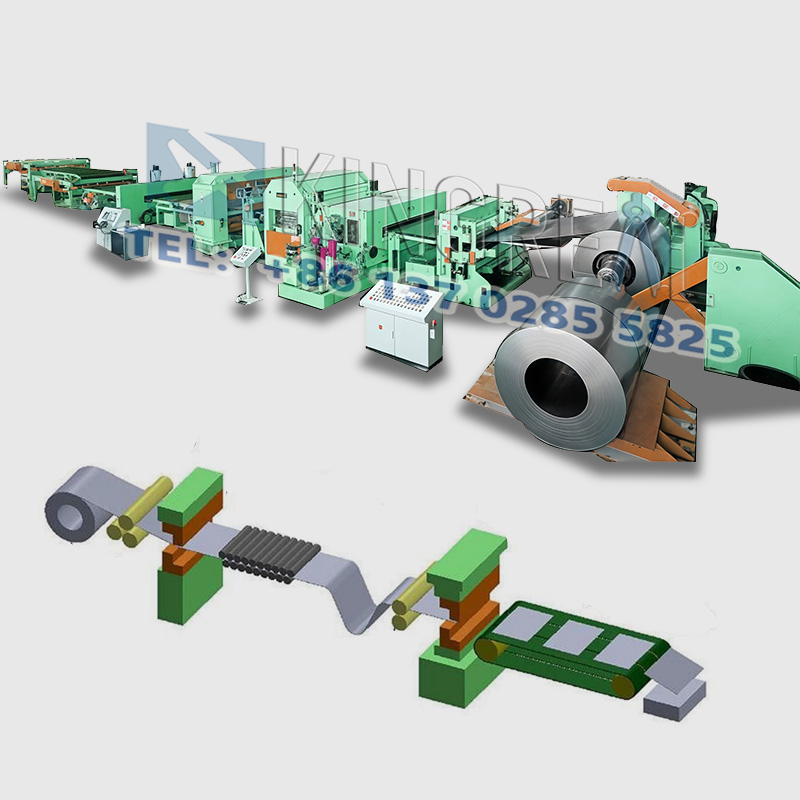
What is a Cut to Length Line?
A cut to length line produces large quantities of metal sheets. The system integrates processes such as uncoiling, leveling, tension control, fixed-length cutting, and automatic stacking.
Its core function is to transform raw metal coils into stress-free, standard flat sheets through uncoiling, stress relief, surface leveling, and precise cutting. Sheets produced by this line can be fed directly into downstream processes such as stamping, welding, sheet metal bending, and surface coating.
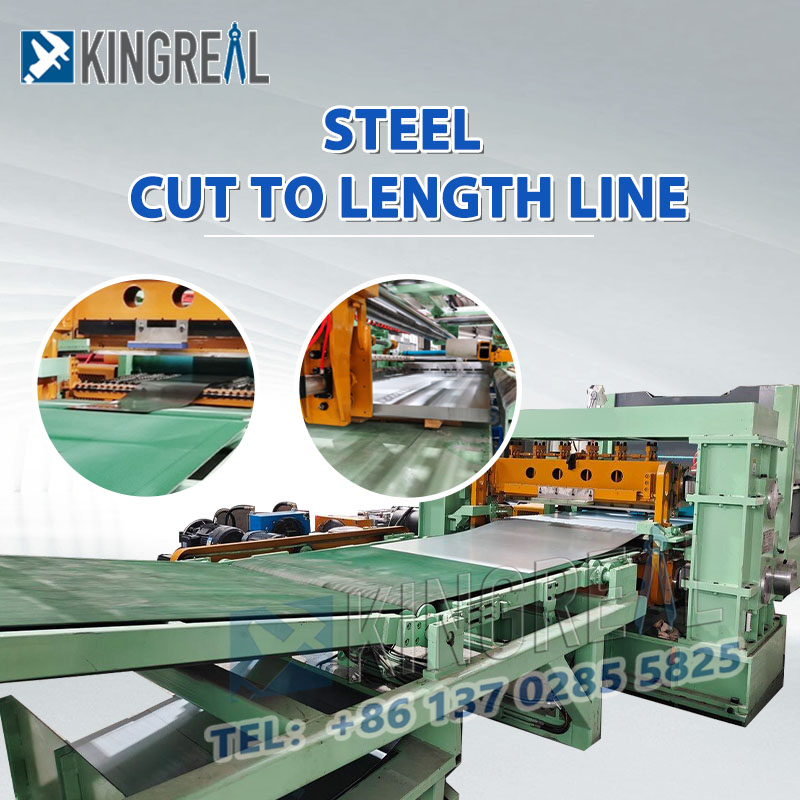
Key Advantages of Cut to Length Line
1) Multiple cutting methods available:
Options include flying shear, swing shear, and fixed shear. Notably, the swing shear can cut metal sheets into irregular shapes, such as parallelograms and trapezoids.
2) High-precision sheet leveling:
The cut to length line can be equipped with a 6-hi leveling machine or a double leveling machines setup to thoroughly eliminate residual stresses from coil rolling; the resulting sheet flatness meets industrial standards, effectively preventing subsequent deformation or warping.
3) Precision cutting:
The cut to length line features a servo-driven CNC length-control system, ensuring precise control over cutting lengths.
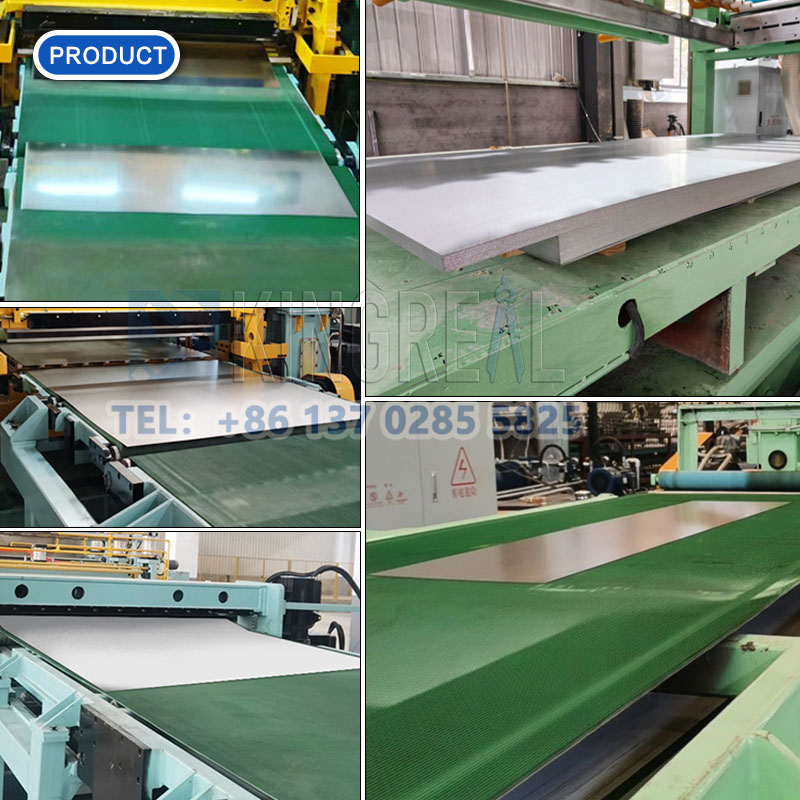
Applicable Industries
Automotive manufacturing supply chain: Vehicle assembly plants and Tier 1/Tier 2 component suppliers processing flat parts such as body panels and chassis structural components;
White goods industry: Manufacturers of sheet metal casings for refrigerators, washing machines, central air conditioning units, and microwave ovens;
Construction and infrastructure: Processing plants for colored steel roofing tiles, insulated sandwich panels, and load-bearing components for steel structures;
Cabinet manufacturing: Manufacturers of high-voltage power distribution cabinets, server racks, fire-resistant metal doors, and steel office filing cabinets;
Heavy industry and shipbuilding: Workshops producing structural components for ships and processing medium-to-thick metal plates for heavy machinery.
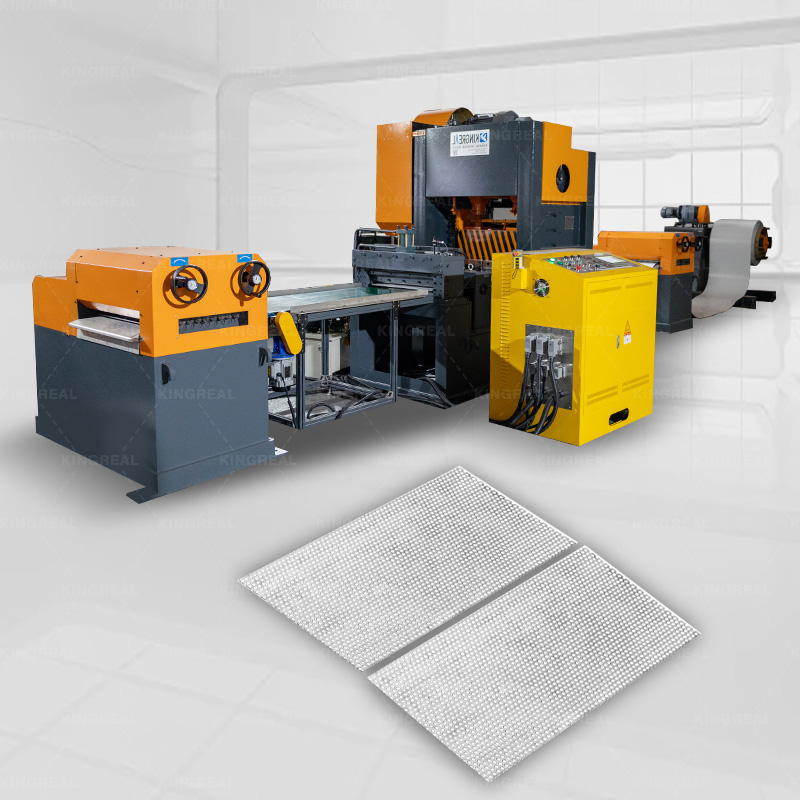
What is a Metal Perforated Machine?
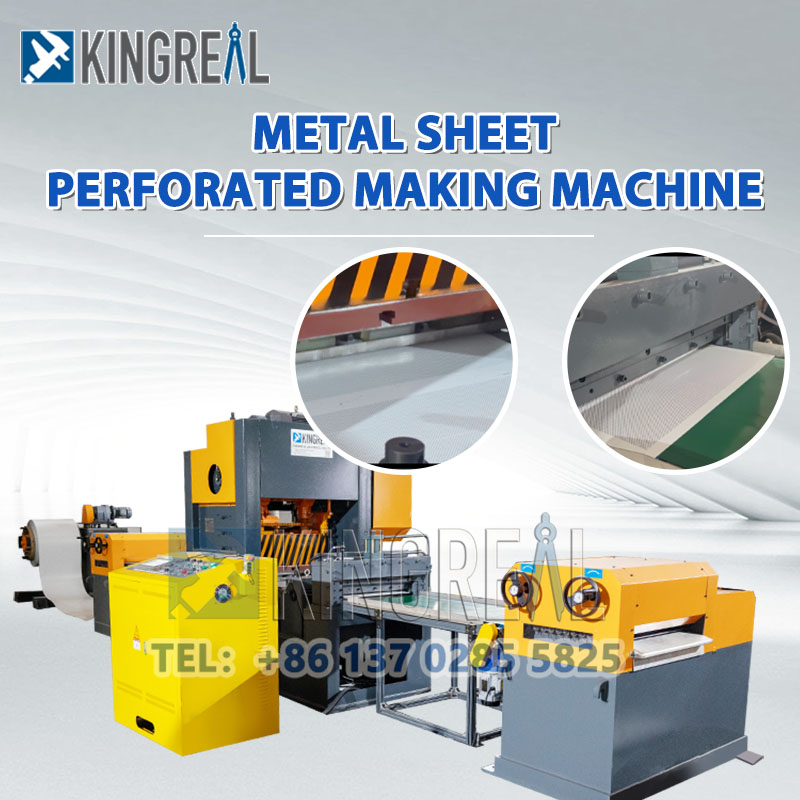
Metal perforated machines specialize in punching metal sheets. Utilizing hydraulic or servo-driven punching units combined with customized precision molds, the system applies directional mechanical pressure to the surface of the metal material to form various preset hole patterns in a single operation.
Key Advantages of Metal Perforated Machine
1) Customized punching molds:
Punching molds can be tailored to customer drawings to produce a wide range of hole shapes—including round, square, slotted, diamond, and elliptical holes. Minimum hole diameters can reach 1.0 mm, meeting requirements for precision micro-hole processing;
2) Flexible production processes:
The metal perforated machine supports two main production modes—punching-and-rewinding and punching-and-shearing—yielding either punched coils or punched sheets to suit diverse downstream processing needs;
3) High-speed punching:
The metal perforated machine operates at speeds up to 220 SPM, delivering uniform hole placement with clean edges and eliminating the need for manual secondary trimming.
Applicable Industries
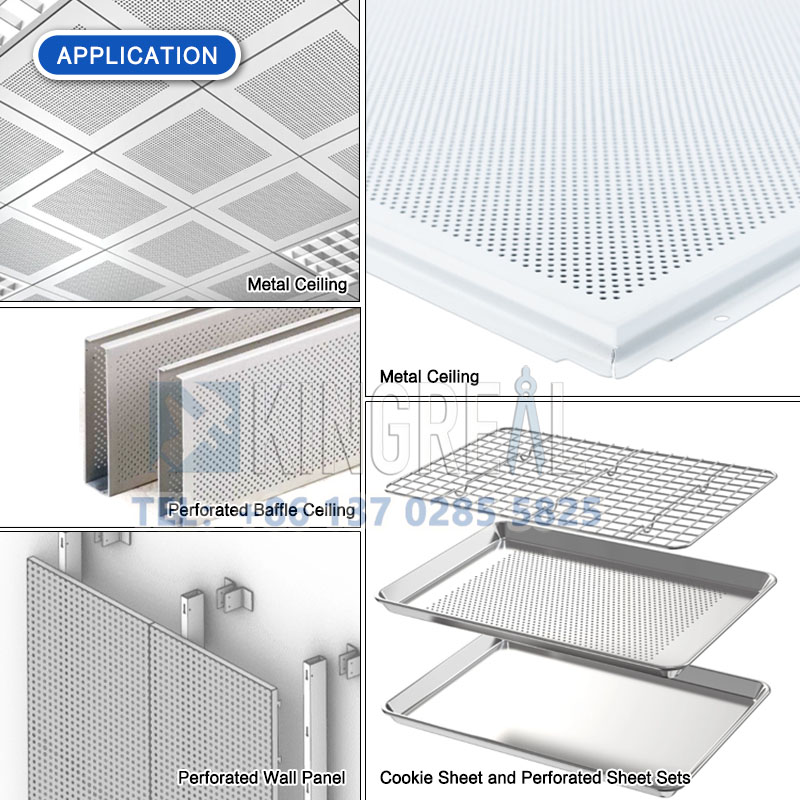
The full industry chain covering HVAC system components; automotive and motorcycle noise-reduction parts; perforated wall panels for architectural decoration; perforated sheets for municipal landscaping; industrial filtration screens and filters; and metal baking trays and household metal-ware.
What is a Metal Bracket Production Line?
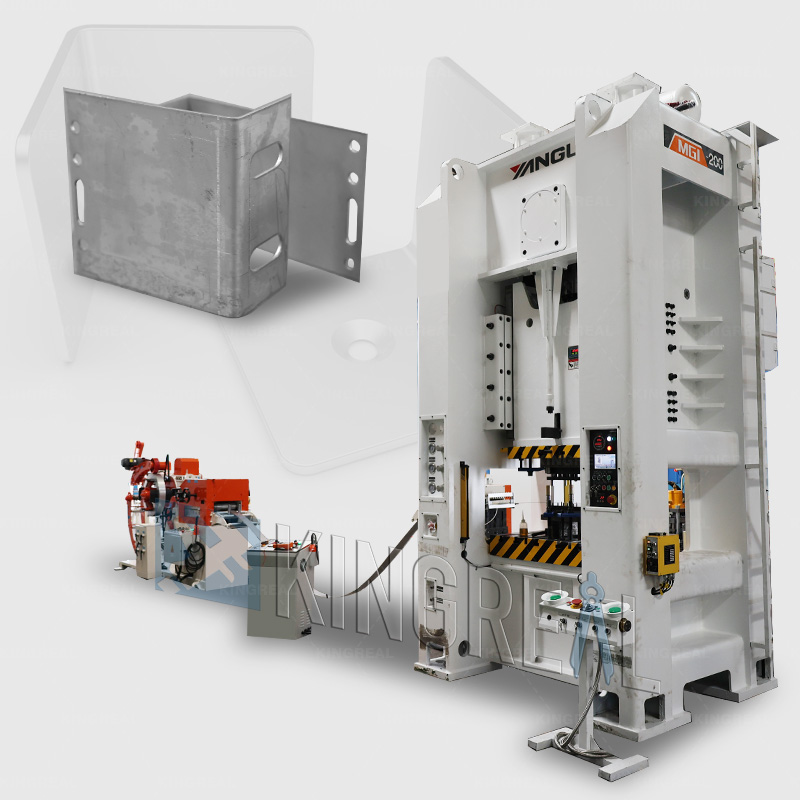
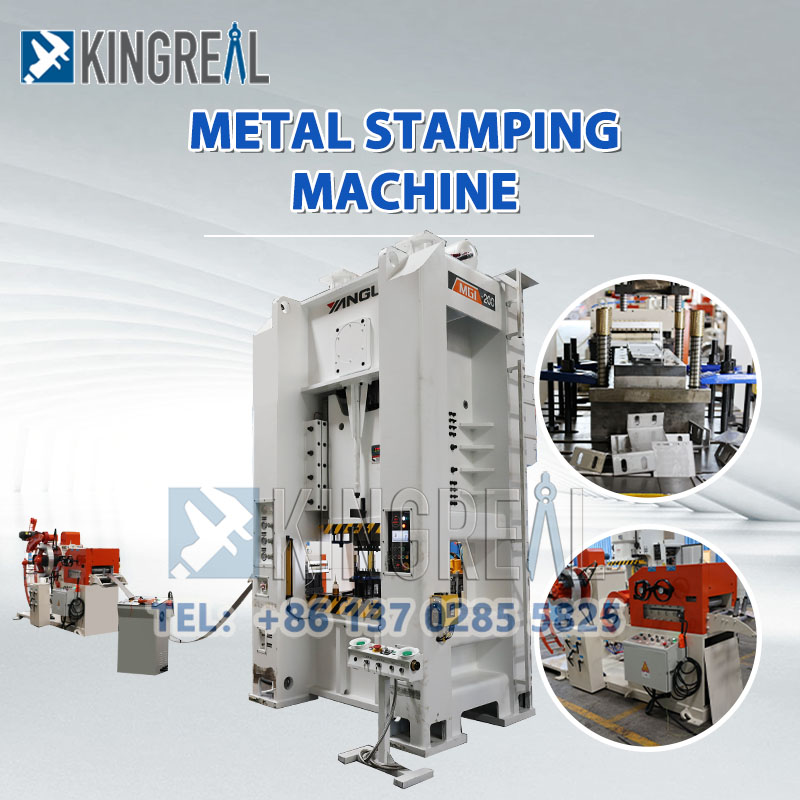
A metal bracket production line integrates multi-stage composite forming processes. Equipped with high-precision progressive dies, it performs operations such as punching, blanking, bending, trimming, and deep drawing in a single pass to produce precision formed metal parts.
Core Advantages of Metal Bracket Production Line
1) Automation:
The entire line automates the full workflow—including coil loading, conveying, processing, and unloading—reducing manual intervention by 80% and lowering both labor costs and the rate of operational errors.
2) Material Versatility:
Compatible with coils made from various materials (carbon steel, galvanized steel, stainless steel, aluminum alloy) and adaptable to a wide range of material thicknesses.
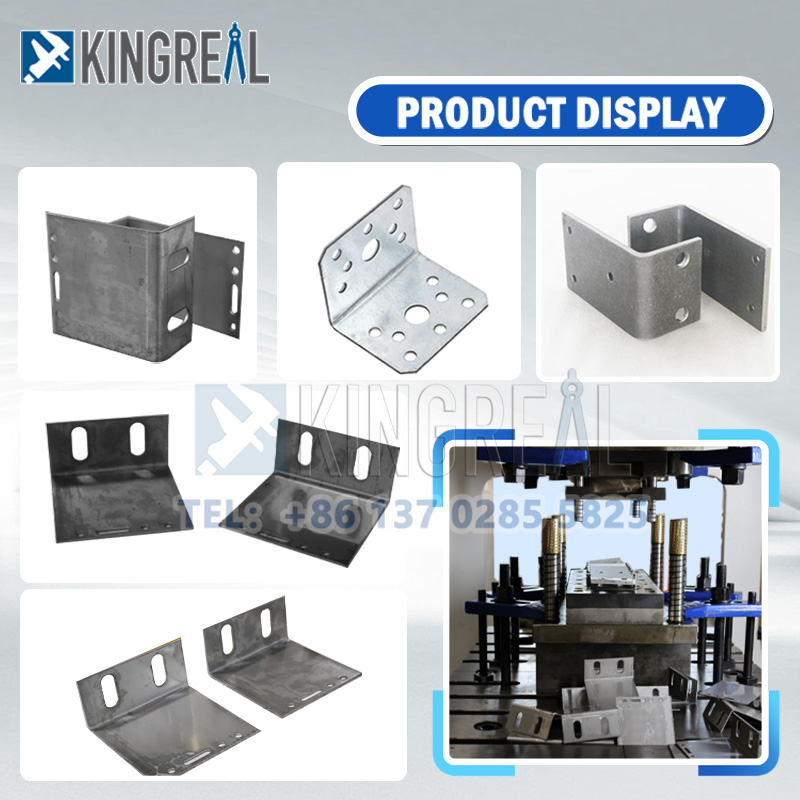
Applicable Scenarios
Designed for high-precision, high-speed mass production, this metal bracket production line is ideally suited for large-scale manufacturing projects involving precision automotive parts, embedded metal components for home appliances, metal hardware, and structural reinforcement connectors.
Comparison of Major Coil Processing Systems
Production Requirements:
-Cut to length lines: Suitable for producing flat metal sheets with precise dimensions and high flatness.
-Steel Slitting lines: Suitable for splitting wide master coils into narrow strips or processing raw materials for profiles.
-Metal Perforated Machines: Suitable for custom punching projects.
-Metal bracket production lines: Suitable for one-stop composite production processes involving bending, deep drawing, punching, and forming.
Material Processing:
-Cut to length lines: Core functions include coil leveling and cutting to length, as well as relieving internal sheet stress.
-Steel Slitting lines: Focus on longitudinal slitting and coil rewinding.
-Metal perforated machines: Focus on precise punching and shaping of the sheet surface.
-Metal bracket production lines: Utilize progressive dies to execute multi-stage composite processing.
Selection Recommendations for Coil Processing Solutions
When implementing a project and purchasing a coil processing system, enterprises should not base their decision solely on equipment price. Instead, selection should be guided by five core factors: the type of finished product, raw material specifications, daily production capacity targets, downstream deep-processing requirements, and long-term capacity expansion plans. For operations focused on processing narrow strips for profiles, prioritize the installation of a steel slitting line; for mass production of flat sheet metal, opt for a cut to length line; for customized perforated panels, choose a metal perforated machine; and for the integrated forming of precision components, directly implement a fully automated metal bracket production line.
Leveraging years of experience in equipment customization and project implementation, KINGREAL team of expert engineers can match the ideal coil processing system to your specific production requirements and optimize the layout of the entire coil processing system. Please contact KINGREAL directly to obtain detailed specifications, project case studies, and customized quotes for these four types of coil processing solutions.