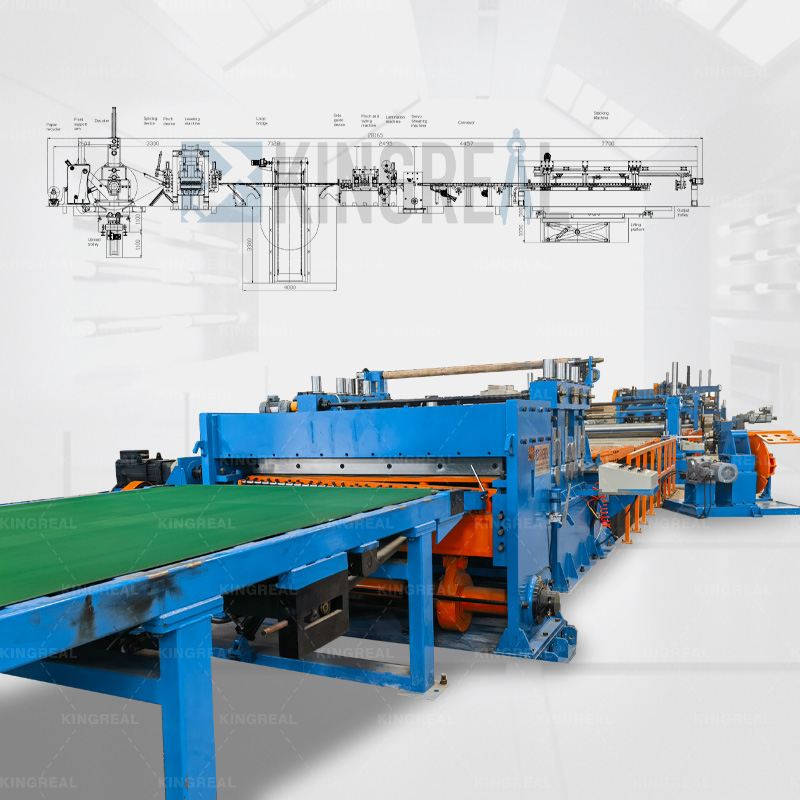
Global Coil Cut to Length Line Projects
With years of deep expertise in the R&D and manufacturing of steel coil cutting machines, KINGREAL tailors highly compatible systems to meet specific client needs—factoring in local production environments, site conditions, industry standards, and unique project requirements—to solve diverse sheet metal shearing challenges for customers worldwide.
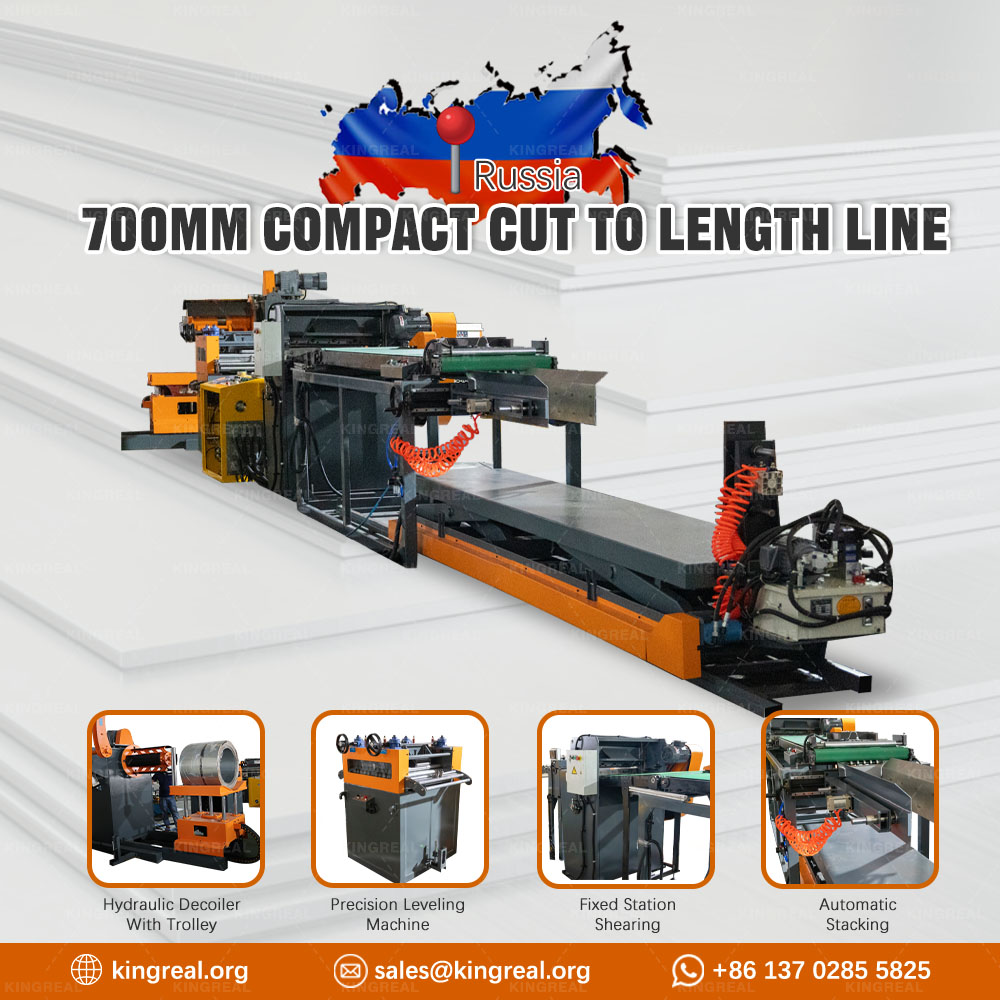
Case 1: Steel Coil Cutting Machine in Russia
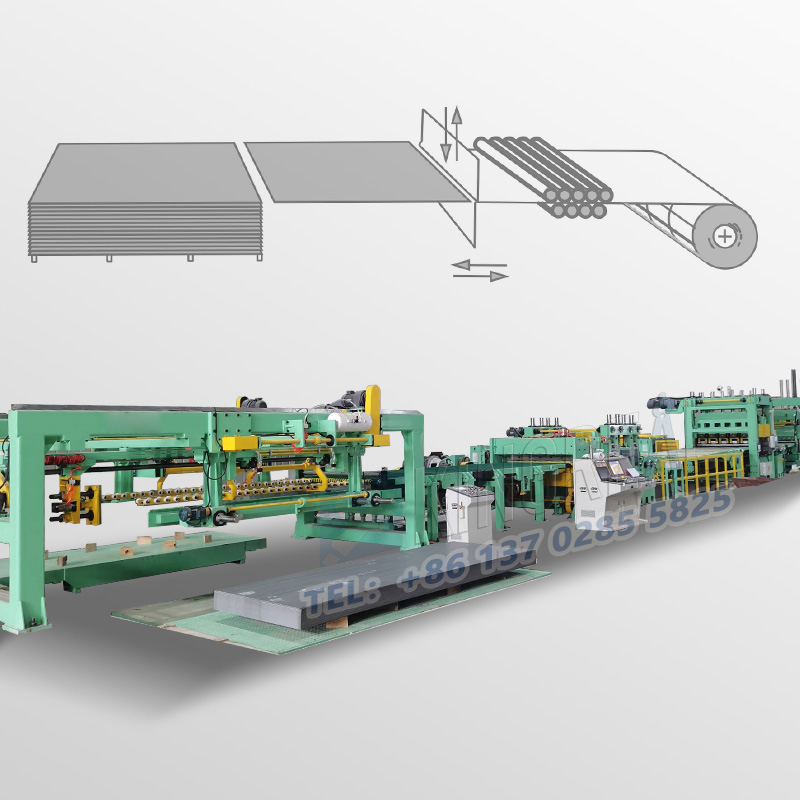
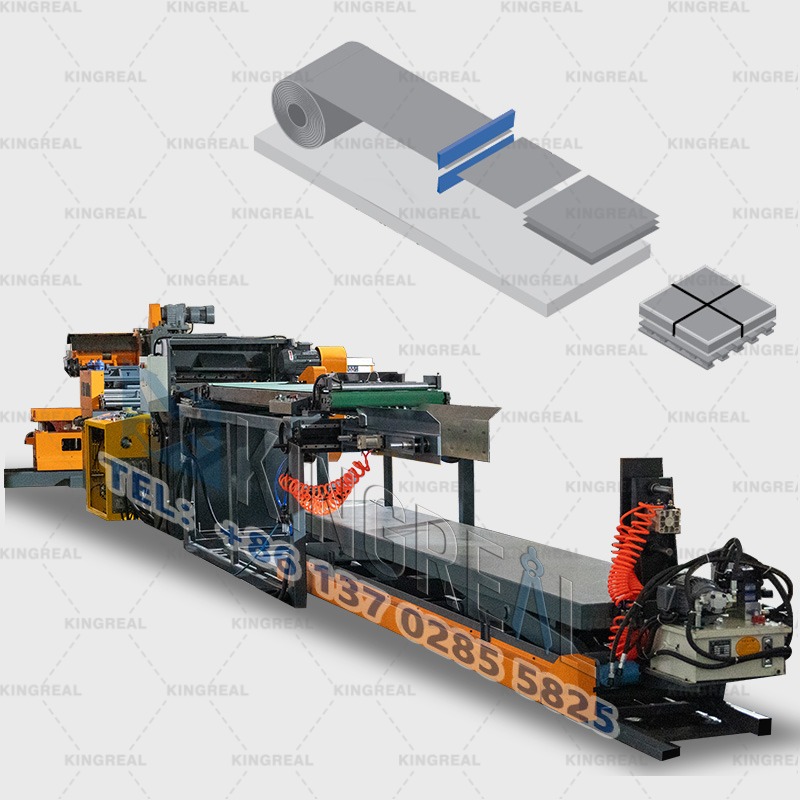
A Russian client faced limited factory floor space, rendering standard metal coil cutting machine unsuitable for the layout. Addressing this core challenge, KINGREAL optimized the structural design to create a compact cut to length line. This bespoke system retained full-process functionality—including automated uncoiling, leveling, precision shearing, and finished product stacking—to meet all basic production needs while significantly reducing the equipment's footprint to fit the confined space.
Following assembly, KINGREAL invited the client for an on-site inspection. The client verified component dimensions, operational precision, and stability; on-site testing confirmed that the metal cross-cutting line met accuracy standards, operated reliably, and offered superior space utilization compared to conventional equipment. Satisfied with the excellent overall performance, the client approved the equipment for shipment.
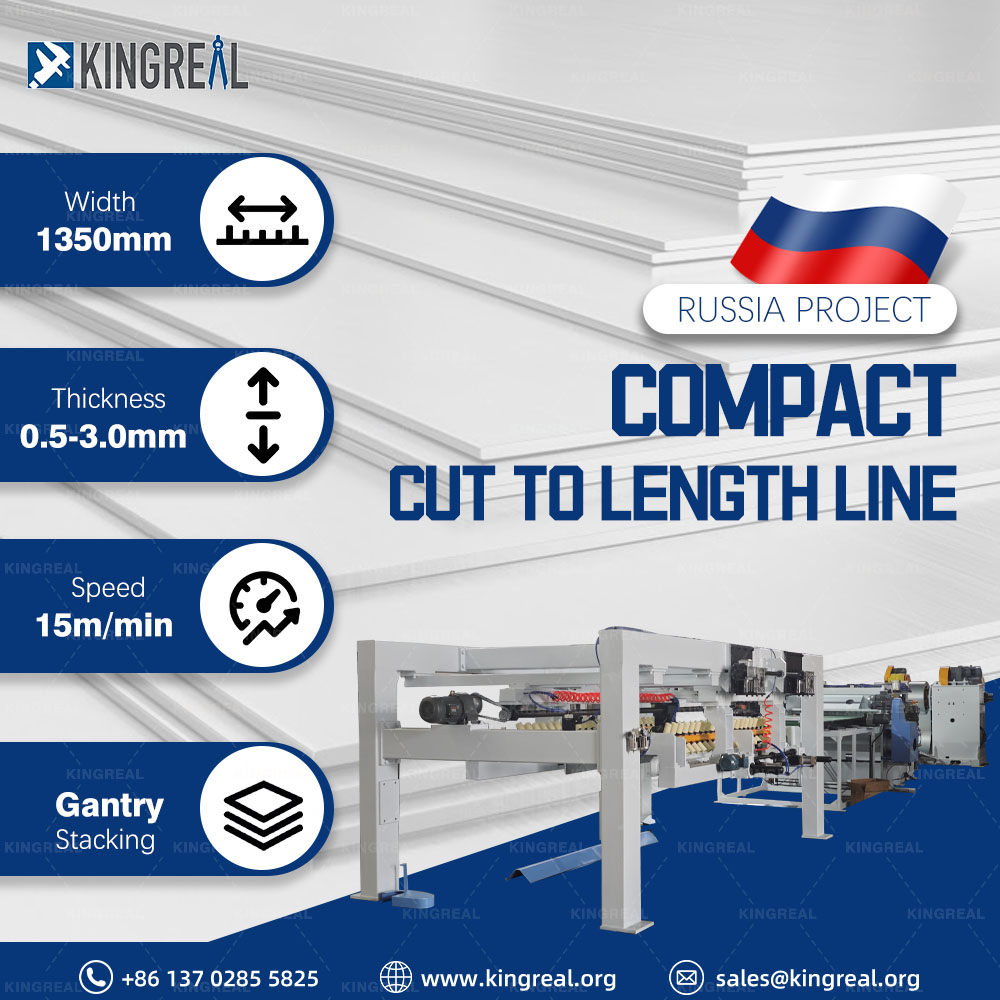
Case 2: Metal Coil Cutting Machine in Russia
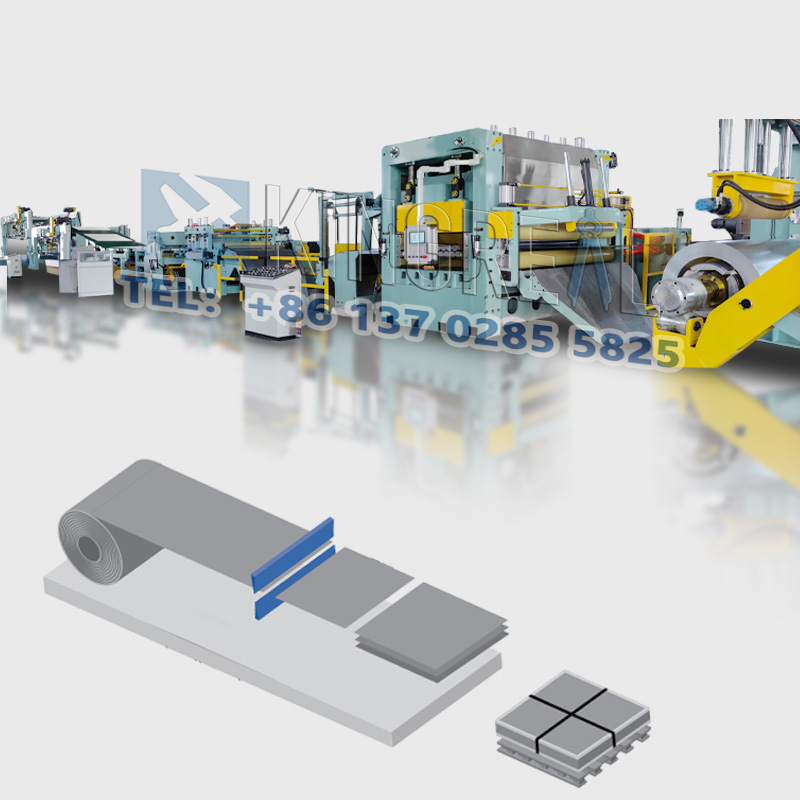
To ensure a rapid transition to mass production, KINGREAL provided a comprehensive, one-stop service package for the Russian client. Professional engineers were dispatched to handle on-site installation, commissioning, and calibration, while also conducting systematic training to help operators quickly master the workflow, basic adjustments, and routine maintenance. Thanks to the reliable steel coil cutting machine, the client achieved standardized, high-volume production of quality metal sheets.
Post-delivery, KINGREAL maintained ongoing monitoring of the equipment's operational status and established a long-term service mechanism. This ensured timely responses to inquiries regarding operation and troubleshooting, alongside continuous support—such as spare parts supply, maintenance, and performance upgrades—to guarantee the line's long-term, stable, and efficient operation.
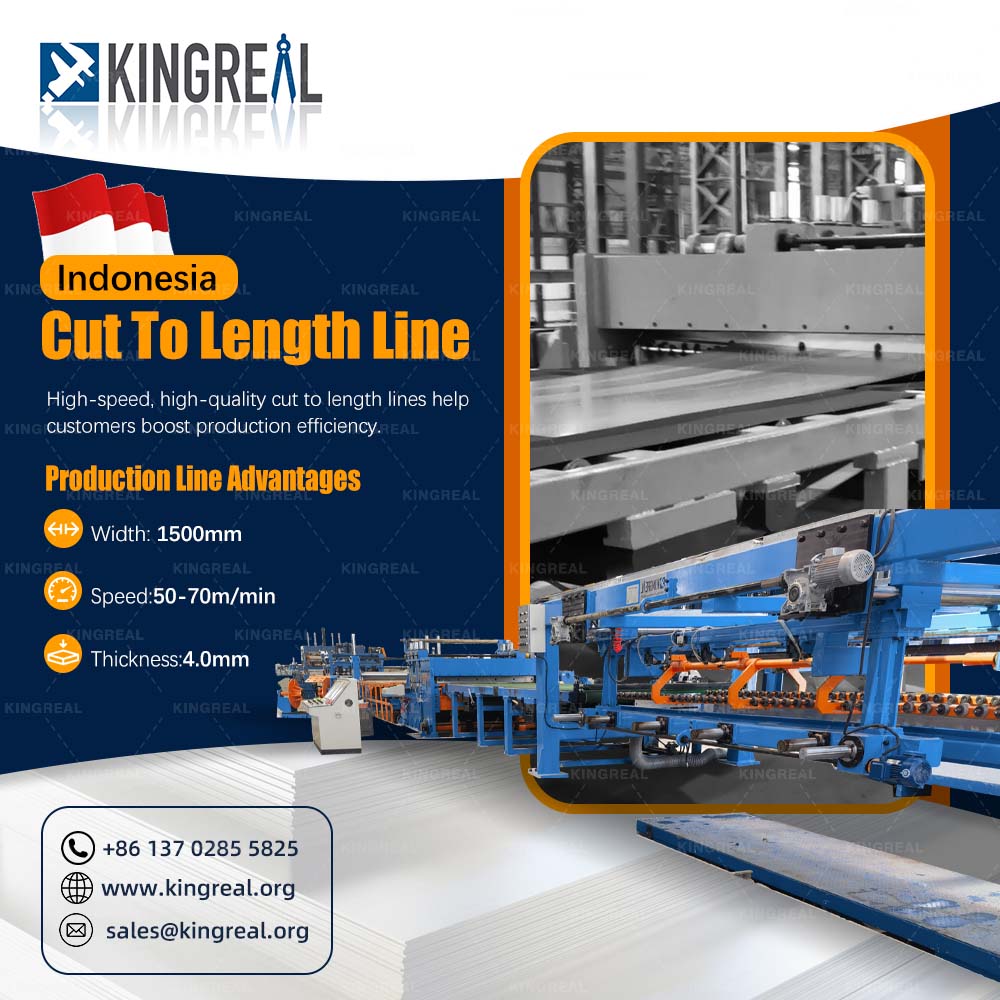
Case 3: Metal Cross-Cutting Line in Indonesia
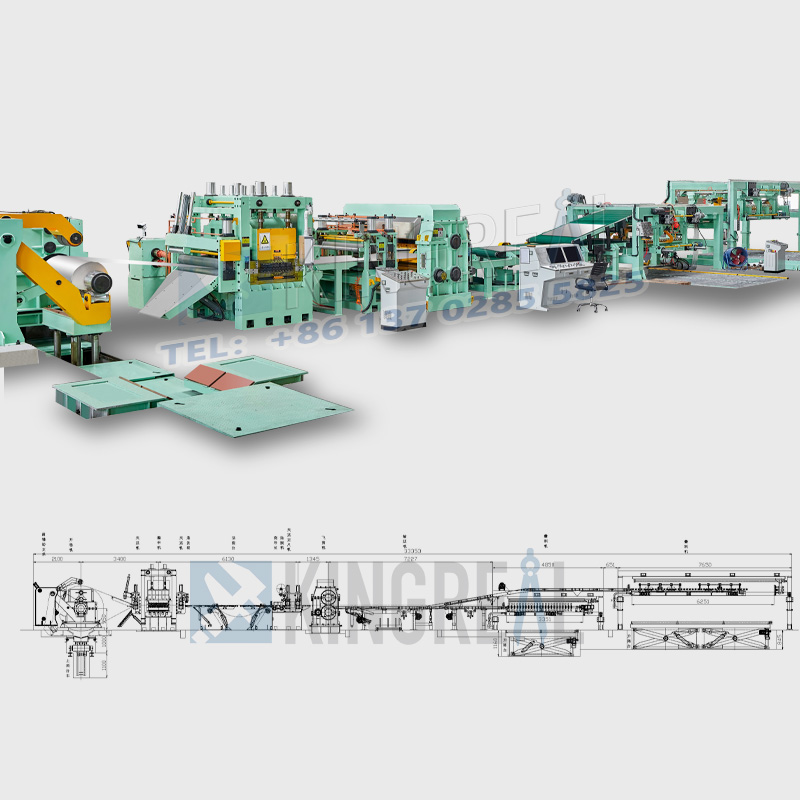
Targeting the Indonesian heavy industry market, KINGREAL developed a specialized metal cross-cutting line tailored to the local thick-plate processing sector, precisely meeting the specific requirements of Indonesian clients. This metal coil cutting machine features targeted optimizations to its shearing structure, drive system, and load-bearing configuration, making it perfectly suited for the high-precision, high-strength shearing of thick plates and fully compatible with the rigorous demands of heavy industrial production.
Leveraging robust in-house ODM R&D capabilities, KINGREAL provides clients with equipment operation animations and 3D panoramic design proposals. These tools allow clients to intuitively visualize the layout, operational performance, and production suitability of the metal cross-cutting line, clearly demonstrating the KINGREAL formidable design and engineering prowess.
One-Stop Service
Drawing on extensive global experience in implementing steel coil cutting machine projects, KINGREAL has established a comprehensive one-stop service system covering pre-sales, in-sales, and post-sales stages, ensuring stable production for clients worldwide.
This service system encompasses every step of the process, including on-site client visits, customized metal coil cutting machine solutions, precision manufacturing, factory acceptance testing, cross-border logistics, on-site installation and commissioning, hands-on training, and long-term spare parts supply.
Furthermore, the brand employs a standardized control system to strictly manage quality throughout the entire delivery process, guaranteeing equipment quality from the source. A professional technical service team, backed by a rapid-response mechanism, quickly addresses diverse client needs—such as maintenance, troubleshooting, and technical consultation—delivering standardized, efficient, end-to-end service that continuously empowers and enhances the productivity of global clients.