


Production Line for Plastering Accessories
2026-06-04 17:42The production line for plastering accessories is a core set of production equipment in the building decoration and building materials industry. It mainly includes corner bead roll forming machines, plaster stop bead machines, architrave bead production lines, movement bead production lines, rib lath production lines, and expanded metal mesh machines. These six types of machines can mass-produce various building plastering accessories, fully adapting to the needs of modern building interior and exterior wall plastering construction.
Building plaster is an important protective and decorative layer for walls, roofs, and beam-column structures, and is highly susceptible to damage, cracking, and peeling due to external environmental factors and structural stress. Sudden temperature changes, fluctuations in air humidity, strong wind erosion, and earthquakes in some areas can continuously degrade the structural stability of the plaster layer, shortening the service life of the building finish. The production line for plastering accessories can effectively resist the adverse effects of various natural conditions, while reinforcing the connection points of different building components such as walls, doors, windows, beams, and columns, and filling gaps between components.
The entire set of production line for plastering accessories uses galvanized steel coils as the core raw material, and the equipment can adapt to steel coils of different thicknesses to meet the accessory thickness requirements of different construction scenarios. The production line for plastering accessories production process is highly standardized, producing high-quality finished products.
This article will detail six major production line for plastering accessories to help industry users accurately select the right model based on project needs and fully leverage the production advantages of each type of machine.
Corner Bead Roll Forming Machine
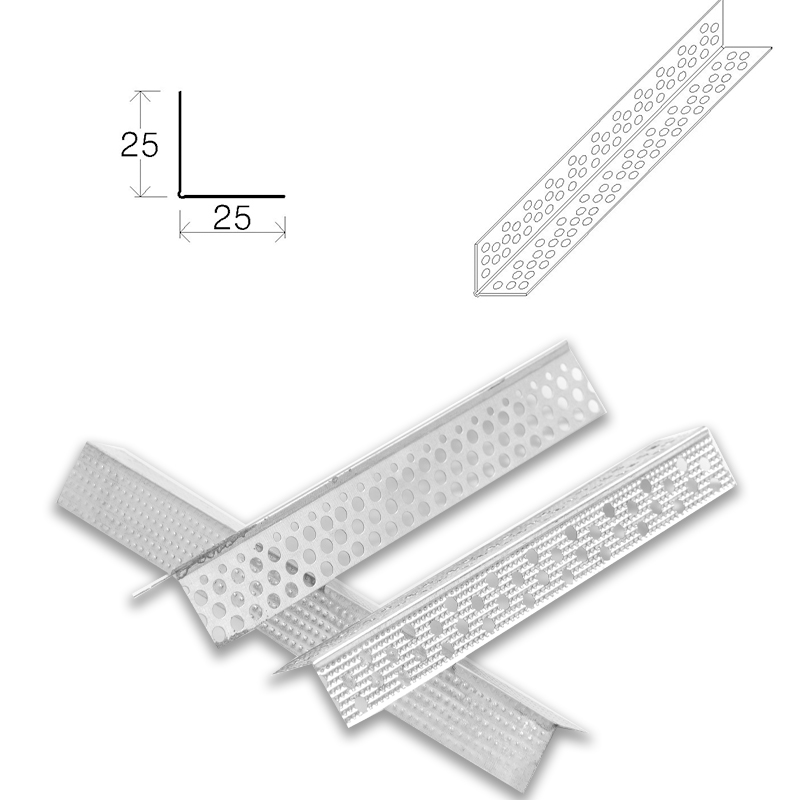
This corner bead roll forming machine is specifically designed for producing corner beads. Its automated forming process boasts high precision and stability. The resulting corner beads have solid metal noses with high hardness and flatness, firmly securing wall corners and ensuring straight, regular corners without warping or deformation.
The corner beads produced by this corner bead roll forming machine feature extended diamond-shaped mesh wings. The uniform mesh structure allows for deep and firm adhesion of gypsum mortar to the corner bead surface, significantly improving the bonding strength between the plaster layer and the corner bead.
The core function of the corner beads produced by this corner bead roll forming machine is to provide all-around protection for wall corners. It is widely applicable to both interior and exterior building wall corner construction scenarios, making it an essential accessory for wall corner plastering protection.
The corner bead roll forming machine can standardize the production of two mainstream specifications: 50×50 mm and 70×70 mm, while also supporting customized lengths from 2700 mm to 3000 mm. With a complete range of specifications, it can meet the needs of most construction projects.
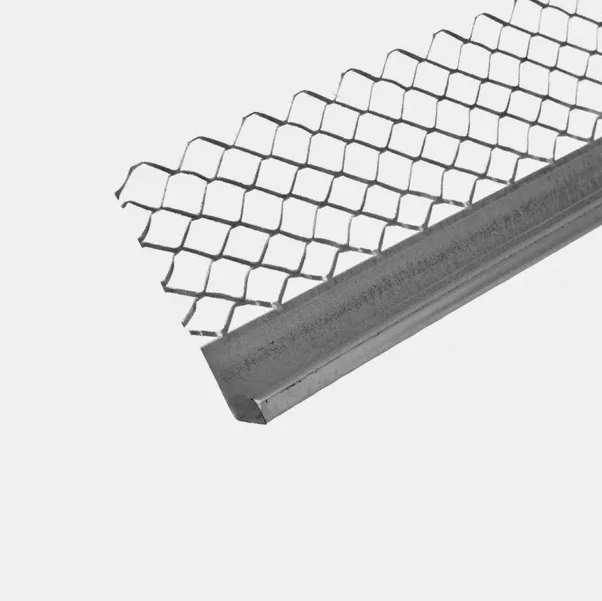
The plaster stop bead machine is specifically designed for creating precise plaster stop bead. Through a high-precision roller forming process, the plaster stop bead machine produces plaster stop beads with straight lines, neat edges, and extremely low dimensional errors. The plaster stop beads produced by this plaster stop bead machine are highly versatile and mainly used for plaster finishing at wall ends, door and window openings, and beam and column sides. It creates a clean and flat architectural finish framework, solving the problems of crooked lines and poor flatness associated with traditional manual finishing.
Leveraging the advantages of machine-standardized finished products, the plaster stop bead effectively constrains the edges of the plaster, ensuring the straightness and neatness of the finish. It also resists problems such as plaster layer shrinkage, cracking, and breakage, preventing damage to the plaster layer in vulnerable areas such as doors, windows, and wall ends, significantly improving the aesthetics and lifespan of architectural finishing areas.
Architrave Bead Production Line
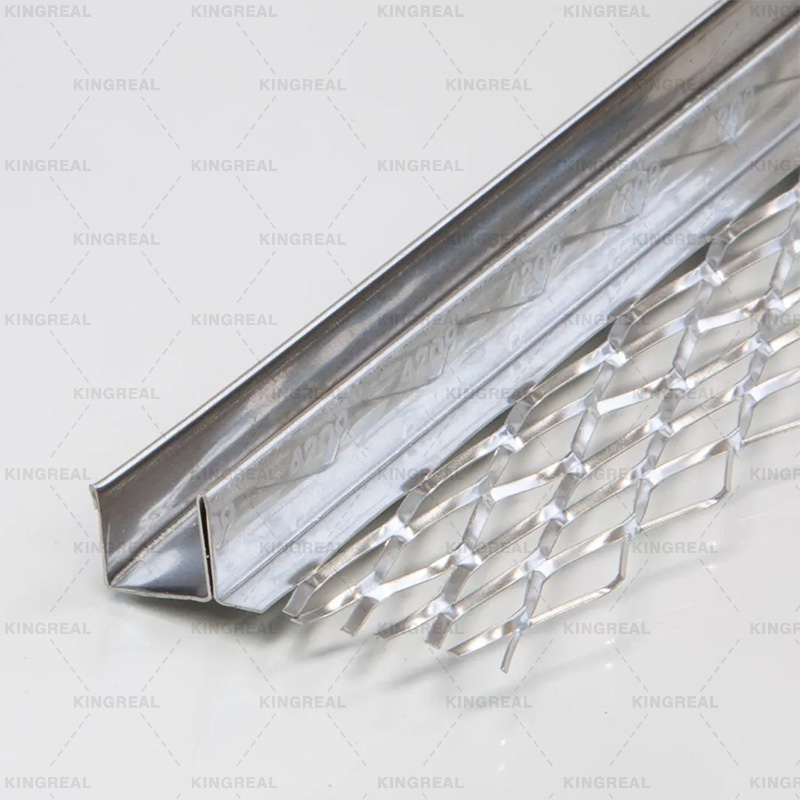
The architrave bead production line specializes in producing architrave beads for architectural applications. The highly automated architrave bead production line can stably mass-produce two core products: architrave bead with flange and those without flange. Both types are primarily designed for architectural decoration.
The architrave bead with flanges are machine-formed in one piece, creating neat seams and a three-dimensional shadow effect at the junction of different wall finishes, enhancing the layering of the wall decoration. The architrave bead without flanges require no auxiliary structure; relying on the architrave bead production line's precise forming process, they directly create uniform shadow seams at the junction of finishes, resulting in a simple and aesthetically pleasing design.
The architrave beads produced on this architrave bead production line are mainly used in architectural wall decoration construction. They can be embedded in wall gaps, precisely filling wall voids, effectively separating multi-layered plaster finishes, and preventing blistering and delamination issues that can occur when different plaster layers are stacked, thus balancing decorative appeal with structural stability.
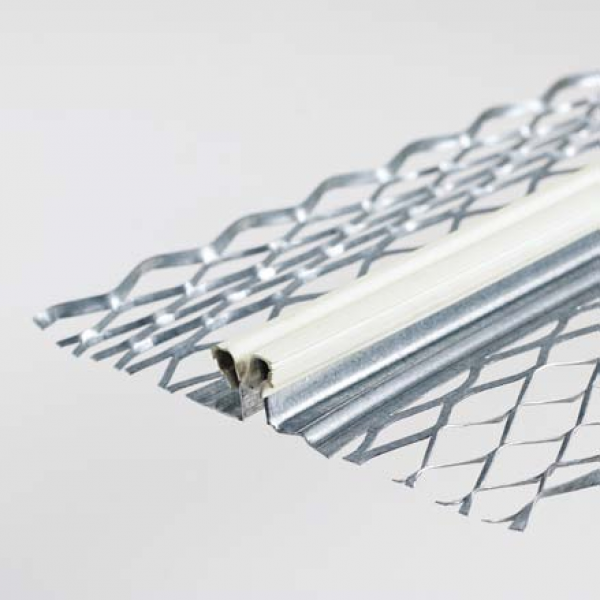
The movement bead production line is adapted to the deformation needs of building structures. Designed with the characteristics of thermal expansion and contraction and structural settlement in buildings in mind, the movement bead production line produces movement beads with extremely high adaptability. The core function of this accessory is to solve the problem of plaster layer expansion and contraction. After installation, it effectively buffers the relative displacement of two plaster finishes at the movement bead, preventing plaster layer compression cracking and tensile breakage caused by temperature and humidity changes.
The movement beads produced by this movement bead production line are suitable for plastering construction on various large-area walls and spliced building structures. They can precisely adapt to the slight deformation of the building structure, continuously ensuring the integrity of the plaster layer, making them an indispensable piece of equipment in large-scale building plastering projects.
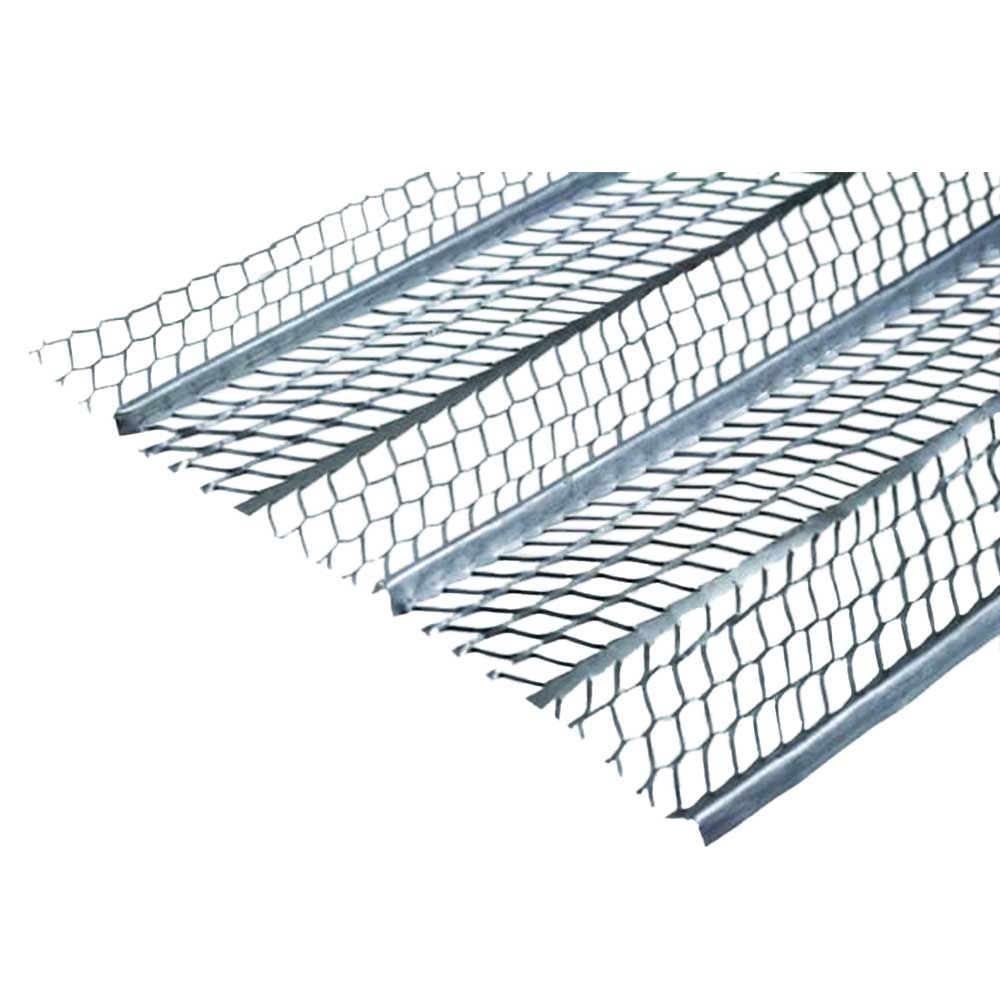
The rib lath production line is specifically designed to produce special rib mesh for plaster reinforcement. The steel mesh structure formed by this equipment is stable, tough, and has high load-bearing capacity. Its core function is to strengthen the plaster structure of ceilings, walls, floors, and other areas. When the building's finishing substrate lacks complete structural support, the steel mesh produced by the rib lath production line can serve as a pseudo-plaster base, providing a stable adhesion carrier for the mortar and preventing plaster layer hollowing and peeling.
Besides conventional wall plastering reinforcement, the steel mesh produced by this rib lath production line has a wide range of applications. It can be used for raft foundation reinforcement, wall structure strengthening, I-beams, plastering of low-span-ratio bridges and curved bridges, and can also separate large concrete slab foundations poured at different construction periods, buffering structural stress differences, effectively avoiding plaster cracking at concrete joints, and significantly improving the structural stability of building foundations and structures.
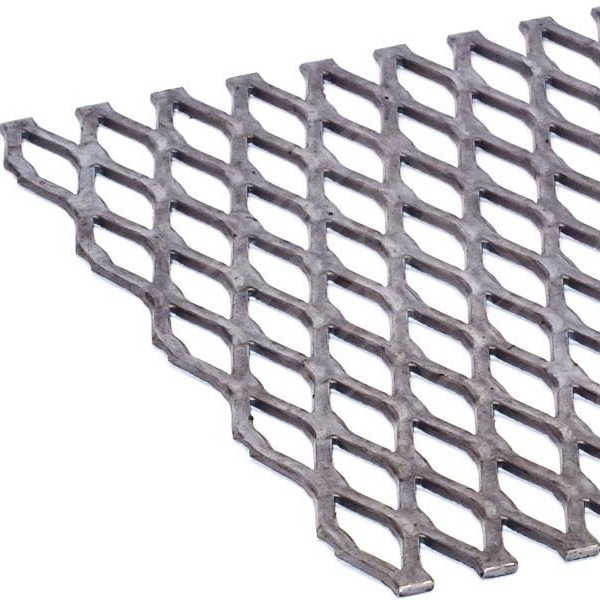
The expanded metal mesh machine is specifically designed for producing expanded metal mesh. The expanded metal mesh machine is highly adaptable and supports mass production of multiple specifications and sizes. It can produce expanded metal meshes of different widths, such as 10 cm, 15 cm, 20 cm, 30 cm, and 60 cm, and roll lengths of 10 m, 12 m, 15 m, 20 m, and 30 m, fully adapting to different construction scenarios.
This expanded metal mesh machine supports customized production, allowing for adjustments to production parameters based on user project needs and finished product specifications to achieve mass production of diverse sizes and types of expanded metal mesh. The produced metal mesh is highly practical, primarily used for plaster reinforcement in areas with electrical and plumbing conduits. It is also suitable for joints between different building materials, such as masonry walls and concrete components, filling structural gaps, reinforcing plaster layers, and preventing cracking and damage around pipes and at component joints.
KINGREAL specializes in the research and development and manufacturing of various machines, providing complete sets of standardized and customized production line for plastering accessories to meet the needs of building material production at different scales and in different scenarios.
KINGREAL offers customized equipment solutions for you. For any equipment procurement, customization, or upgrade needs, please contact KINGREAL at any time.