


- Home
- >
- News
- >
- Industry news
- >
News
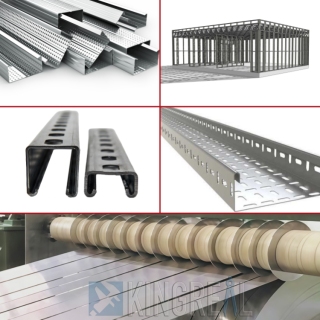
Meeting the needs of a great number of applications, this metal slitting line is quite important in industrial production. Metal slitting machines are becoming increasingly used as demand for high-precision narrow strips rises.
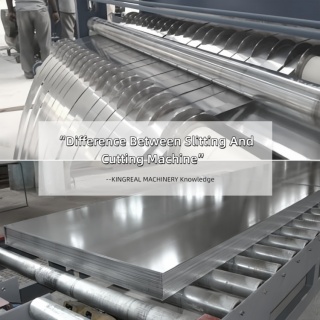
In the metalworking industry, coil slitting machines and cut to length lines are two indispensable coil processing equipment. They each play different roles and meet different processing needs. This article will delve into the definitions, key differences, respective advantages, and innovations of coil slitting machines and cut to length lines to help you better understand the functions and applications of these two types of equipment.
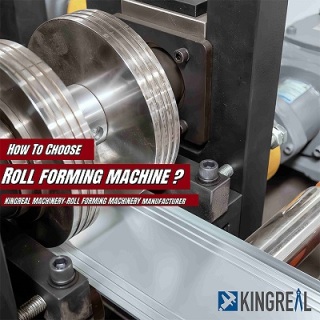
Roll forming machines are essential equipment in sheet metal processing. They can process a variety of metals such as steel, aluminum, stainless steel and copper, and process flat metal sheets into various profiles and shapes. They are ideal for industries such as construction, automotive and HVAC. However, faced with a wide range of options on the market, how do you choose the most suitable roll forming machine? In this article, KINGREAL will discuss with you to help you make an informed decision that meets your specific needs.
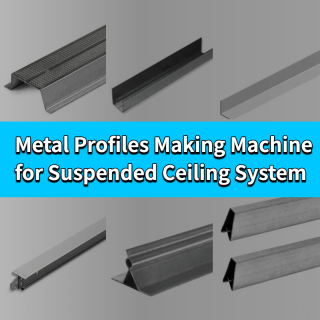
Galvanized steel profiles are core components in suspended ceiling systems, responsible for installation, fixing, and load-bearing. In the current suspended ceiling profile industry, most manufacturers cannot produce the full range of profiles required for a suspended ceiling system in a one-stop shop. Construction companies need to contact multiple suppliers to procure different specifications of profiles, resulting in cumbersome processes, high communication costs, and a high risk of mismatched profile specifications and accessories. Furthermore, galvanized steel profiles often suffer from uneven thickness, dimensional deviations, and deformation. Small and medium-sized manufacturers have limited production capacity and unstable delivery times, frequently causing delays in suspended ceiling projects.
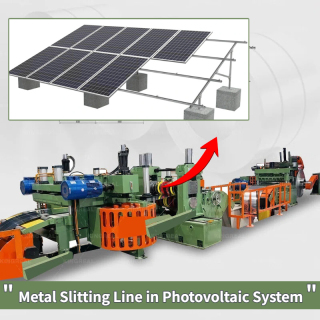
A metal slitting line cuts wide metal coils into multiple narrow strips, each perfectly sized and fed into a solar channel machine. The metal slitting machine not only provides photovoltaic systems with precisely sized, smooth-edged processing materials, but also influences the final performance and durability of the photovoltaic system. In the current context of rapid global photovoltaic industry development, the metal slitting line, as a core pre-processing device in the solar channel production process, directly determines the construction quality, service life, and overall benefits of the photovoltaic system through its performance and stability.
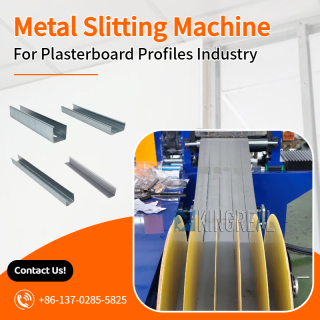
A metal slitting machine precisely cuts large metal coils into narrow strips of a specific width. These strips undergo subsequent secondary cold bending and forming processes to produce profiles such as Ceiling C, Ceiling U, Stud Wall C, Track Wall U, Omega Channel, Main Channel, L Corner Profile, and Corner Bead, which are widely used in the production of various plasterboard profiles.
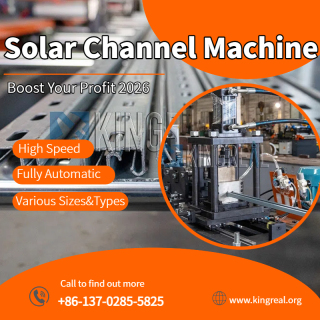
Distinguished by high-speed, stable operation, capacity for large-batch continuous production, and high-precision forming capabilities, the solar channel machine efficiently produces a wide variety of high-quality solar channels. It comprehensively reduces manufacturing costs, boosts production efficiency, and enhances product added value—thereby consistently expanding profit margins and steadily increasing overall corporate profitability for major photovoltaic mounting system manufacturers.
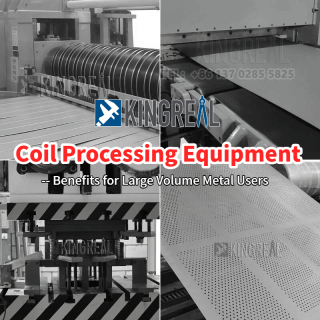
With over twenty years of deep expertise in the field of coil processing equipment, KINGREAL is dedicated to researching and developing solutions tailored to the needs of high-volume metal users. Our coil processing line portfolio encompasses coil slitting lines, steel coil cutting machines, metal bracket production lines, steel perforated machines, and more. Through customized designs, high-precision performance, and efficient operation, we comprehensively optimize the entire metal processing workflow.
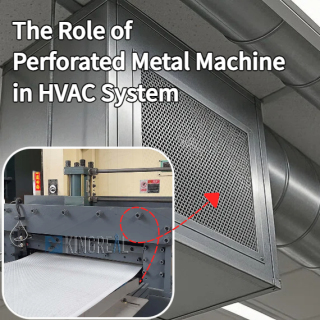
As a pivotal piece of equipment for manufacturing core components of HVAC systems, the perforated metal machine—thanks to its precision processing capabilities and flexible customization advantages—serves as a vital pillar supporting the high-quality development of the HVAC industry.
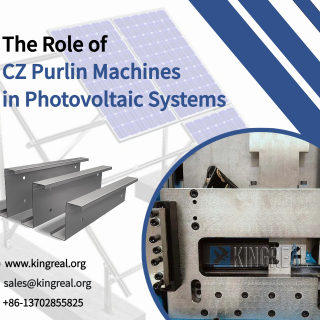
Many people know that cz purlins are used in roofing and steel structure, but few know that precision cz purlins produced by cz purlin machines are also an indispensable core structural component in photovoltaic (PV) systems.
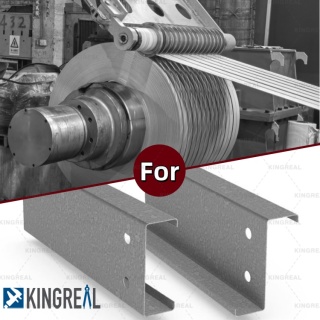
Metal slitting lines cut large metal coils to a specific width, producing high-precision narrow strips. These strips are then fed into a roll forming machine, where they undergo uncoiling, punching, forming, and shearing processes to produce the final product, which is then used in a variety of customer projects. In steel structure projects, metal slitting machines are often used in conjunction with CZ purlin forming machines. Many customers also have a need for metal slitting lines when selecting CZ purlin forming machines.
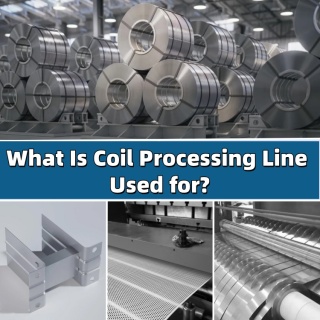
Coil processing line is specifically designed to process metal materials. The processed material will then undergo secondary processing to produce finished products for the project or be used directly in the project. KINGREAL offers a variety of metal coil processing equipment, including metal sheet flattening machines, metal stamping making machines, perforated metal machines, steel slitting lines, and coil cut to length lines. Different coil processing lines handle materials differently (Metal sheet flattening machines flatten the material surface, metal stamping making machines produce metal brackets, perforated metal machines create different hole shapes and diameters, and steel slitting lines and coil cut to length lines cut the material longitudinally or transversely). Therefore, KINGREAL will provide appropriate coil processing equipment recommendations based on your project requirements.